On the quiet, sometimes brutal, art of taking responsibility.
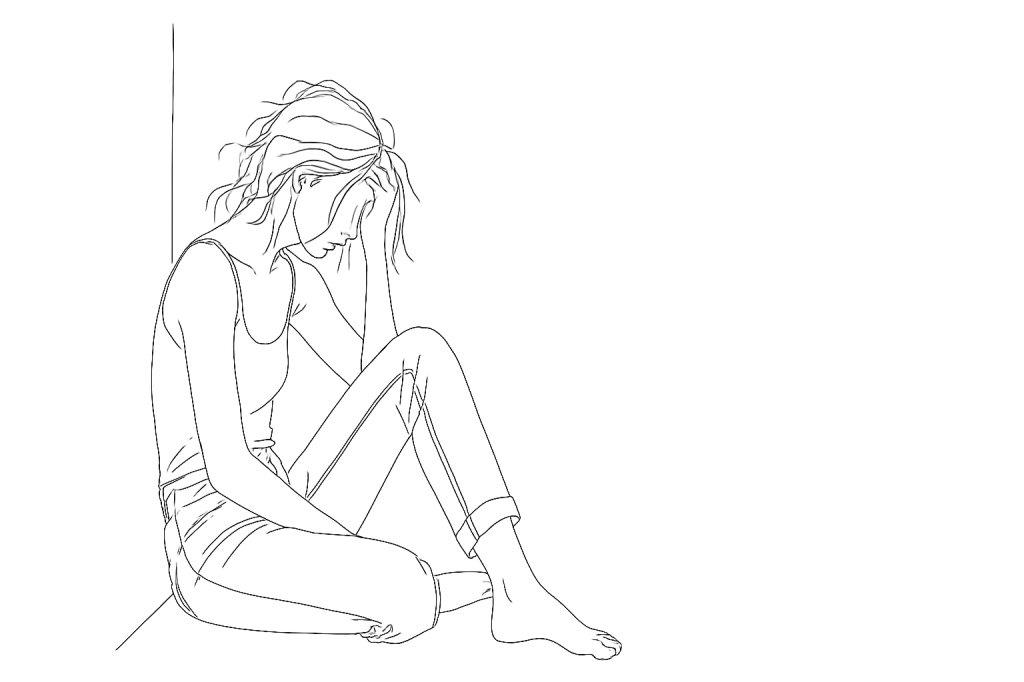
I cry a lot. Like, proper crying. Not those pretty, delicate tears — I cry for real. Sometimes for myself, other times for things I think should hurt everyone. But mostly, it’s for things that weigh more on the inside than on the outside. Yes, I’m a bit of a Mary Magdalene with a flair for drama and the occasional bout of self-pity. Victimville is a very real place. I know its streets, its alleyways, the temptation to stay. It’s that foggy space between denying what’s happening and drowning in dramatic, paralysing guilt. It’s comfortable, there. Nothing is expected of you — except to keep repeating how hard everything is.
And it is. But… so what?
It’s easy to get caught up in the web of victimhood. One of the first phrases we learn as children is a classic: “It wasn’t me” or “It wasn’t my fault” — always followed by a well-trained finger pointing at everything and everyone but ourselves. Victimhood is that way of life where we constantly paint ourselves as the poor souls life has conspired against. Sometimes we even exaggerate or make things up a bit, just to extract a little extra attention, sympathy — or, let’s be honest — to avoid the boring business of taking responsibility. It’s a distorted lens that turns everything into a personal attack, as if the universe were running a vendetta just for us. Spoiler: it’s not.
Victimhood is that way of life where we constantly paint ourselves as the poor souls life has conspired against.
And yes, we all know that. But knowing doesn’t always mean we act differently. Sometimes, even when we see the pattern, there we go again — repeating the script, dramatising the day’s mishaps, shrinking inside our own stories. Until we reach breaking point. Tired of our own moaning, tired of hearing ourselves complain, and, in the end, just plain tired of being tired.
It’s in that moment — somewhere between sobs — that I ask the real question: not “why me?”, but “what’s this for?”. Because if there’s anything I’ve learned the hard way (with a fair dose of sarcasm, obviously), it’s that being a victim is not the same as playing the victim.
Because victimhood — that place where we wrap ourselves in the blanket of injustice and wait for someone to rescue us (or at least confirm that yes, life is so unfair) — isn’t just a mood. It’s a pattern. And like all patterns, it repeats itself. Slippery, subtle, sometimes even well-intentioned… But always limiting. Some people avoid responsibility like they’re dodging a toxic ex: “It wasn’t me”, “I didn’t ask for this”, “It’s the system, my childhood, Mercury in retrograde”. The focus is always elsewhere — on others, the circumstances, the unfairness of life. Take initiative? Why bother, when I can sit here simmering and wait for the universe to apologise?
Some people avoid responsibility like they’re dodging a toxic ex: “It wasn’t me”, “I didn’t ask for this”, “It’s the system, my childhood, Mercury in retrograde”.
Then there’s the theatrical side: victimhood comes with a stage. Those who can dramatise their struggles with a bit of flair often attract sympathy, attention and validation — the emotional cocktail so many crave, even unconsciously. But that relief is short-lived and comes at a price. And yes, often it’s a defence mechanism. It’s easier to play the victim than to face the shame, the guilt, or the sheer discomfort of having messed up. It happens. But when it becomes your identity — that’s when it gets dangerous.
The result? Relationships that wear out, projects that stall, growth that never happens. Because those who refuse to leave the “poor me” stance rarely build anything solid. Not for themselves, and not with others. And maybe that’s where the real work begins. The moment we stop waiting for some cosmic explanation or grand apology from life — and finally turn inward.
As the historian Thomas Carlyle once said, “The greatest of faults, I should say, is to be conscious of none.” One of the most powerful — and probably hardest — choices we can make is this: to take responsibility for what we think, say and do. Not for the injustices we’ve endured or the choices of others, but for the way we choose to respond. Because yes, there are things we can’t control. We don’t choose the family we’re born into, the postcode, the trauma, the loss. We don’t get to control the chaos or other people. But there’s one thing that’s entirely ours: the response we give to what happens. And that can be the start of real freedom.
The greatest of faults, I should say, is to be conscious of none.
Thomas Carlyle
Taking responsibility doesn’t mean taking the blame for everyone else’s mistakes or pretending nothing hurt us. It’s the clarity to recognise — as the Bible says — that before pointing out the speck in someone else’s eye, we might want to deal with the plank in our own. It’s choosing to grow instead of turning sour. It’s dropping the “why me?” and asking instead, “what now?”. This path isn’t neat or easy.
But there’s something deeply transformative about shifting from autopilot reactivity to conscious action. It’s what allows us to interrupt cycles — emotional, familial, even generational — and stop being just a product of our circumstances. In the end, real personal responsibility is exactly that: the quiet craft of becoming whole.
Recognising this pattern in ourselves can be deeply uncomfortable — but it’s also the first real step out of Victimville. Because, let’s face it, pain passes. Drama wears thin. But dignity? That might be the one thing that stops us ever going back.
 OBSERVATIONS & OTHER ACCIDENTS
Leave a comment