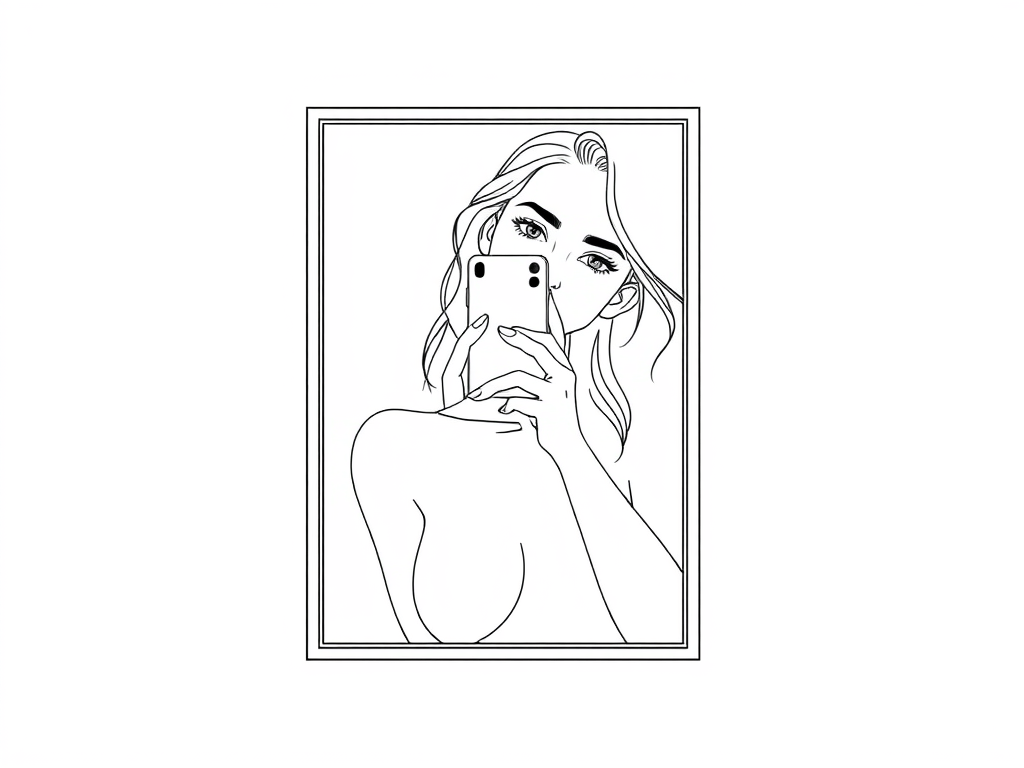
Love is fine. Singleness is fine. The obsession with both — that’s the cringe part.
After reading an article in Vogue UK asking if “having a boyfriend is embarrassing now,” my reaction wasn’t shock — nothing shocks me anymore — but somewhere between laughter and second-hand embarrassment. Not because the topic is controversial, but because the discussion itself is absurd. The idea that we need to intellectualise or politicise something as ordinary as having — or not having — a boyfriend is, frankly, ridiculous.
“Being partnered doesn’t affirm your womanhood anymore; it is no longer considered an achievement, and, if anything, it’s become more of a flex to pronounce yourself single.”
— Vogue UK
Maybe that’s the real issue: the need to proclaim anything at all. Anyone truly at ease with their life doesn’t question, announce, or politicise their status — single or partnered. They simply live their lives. If someone comes along, fine. If not, equally fine.
“This summer, a boy took me to Sicily. I posted about it on my subscribers section, and people replied saying things like, ‘please don’t get a boyfriend!’”
— Sophie Milner
So the logic is simple: showing happiness in a relationship is a social crime. Those alone must continue displaying maximum freedom, and anyone daring to share their love life risks being “cancelled” by the algorithm of public judgment.
There’s a clear movement online that feels anti-men. I want to defend a position here: it’s not about men in general. The emancipated woman didn’t appear with this trend — she’s been choosing who and what she wants in a relationship for decades. There are men who don’t show up and harm women — but also women who don’t show up and harm men. Some men don’t support women — some women don’t support men. It’s about character, not sex.
I’m not talking about men and women as social categories — that’s another discussion entirely. Structural inequalities still exist, from pay gaps to representation, and they deserve their own text. What I’m addressing here is something else: men and women as relational beings — lovers, partners, whatever you want to call them. The way we meet, fall for each other, and sometimes fall apart. The real issue in 2025, in the 21st century, isn’t men as a category, but the ones we choose in particular.
Some men have stayed behind, but there are those who have evolved — who want to support their partners fully — and women who reciprocate. And life is undeniably better when shared. That’s why some women joke they “turned gay”: it’s not about staying alone, because, deep down, no one truly wants to be alone.
The real issue in 2025, in the 21st century, isn’t men as a category, but the ones we choose in particular.
I adore solitude. I’ve been single, and I was perfectly fine with that — and precisely because of that, I never looked down on my friends in relationships. Quite the opposite. There’s something genuinely beautiful about seeing two people who know how to relate, and who are, in the end, happy together.
And yes, people in relationships have 99 problems — but judging the single ones isn’t one of them.
But I’ve also seen many unhappy ones — including myself. When you’re outside looking in, you can see it clearly: the person isn’t good for her. And at that point, more than blaming the man (who might well be an asshole), it’s about her choosing him. Until she truly looks inward and takes responsibility, she’ll keep choosing the wrong man, repeating the same story, and blaming men for the ending.
Until she truly looks inward and takes responsibility, she’ll keep choosing the wrong man, repeating the same story, and blaming men for the ending.
Being single is wonderful — and above all, important. It teaches you self-sufficiency, boundaries, perspective. But it shouldn’t become a permanent shield against connection. Because love, when it’s healthy, doesn’t diminish you — it expands you. Having someone by your side who encourages, supports, pampers, protects, and fills you — that’s not validation. That’s love. And in today’s dictionary, that word seems almost lost.
Success is rarely measured by marital status. Single or partnered, it’s about how we live with ourselves, not who we sleep beside. Yet having someone who makes us laugh after a chaotic day doesn’t hurt.
Single or partnered, it’s about how we live with ourselves, not who we sleep beside.
Also, a relationship functions as a mirror: it shows who we are, what we like about ourselves, and what we don’t. It reveals where we’re distracted. Often it’s better to choose being alone — or, if unprepared, enter a relationship and choose badly (in that case, the relationship is doomed from the start).
Being alone is, therefore, essential for self-knowledge and growth. But only the balance between autonomy and sharing allows a relationship to flourish. Being at ease with oneself isn’t a luxury: it’s the foundation for truly loving and being loved.
At the end, those at peace — single or partnered — feel no need to declare anything. Those shouting about their own singleness rarely have enough silence to notice. The more someone insists that being single is superior, the more it becomes obvious they seek external validation. The same applies to anyone constantly declaring they’re perfectly fine in a relationship. Shouting is always a symptom of not being okay.
Shouting is always a symptom of not being okay.
True freedom is silent. And perhaps true empowerment is not needing to prove anything — not to the internet, not to other people, not even to ourselves.
And of course, there’s no shame in falling in love.
Nor in trying and failing — that’s how we grow as human beings.
Nor in not trying at all.
The “fragility” Vogue sees doesn’t exist for those at ease with themselves. Falling in love isn’t embarrassing — not falling in love isn’t either.
It’s just life.
 OBSERVATIONS & OTHER ACCIDENTS
Leave a comment