On ballet, teaching and building something that last.
Next May will mark one year since I moved to the city of Porto. A move comes with many things. Some people are keen to explore the nightlife, the restaurants of the moment, the places to be. I, for one, had a single priority: finding a ballet school.
As I’ve mentioned before, I only began taking ballet classes three, perhaps four years ago — with a forced pause in between, courtesy of a ligament rupture in my foot, sustained, quite ironically, in a ballet class. After two decades of yoga, a discipline I approached with the utmost seriousness, I felt the need (as a true Gemini) to throw myself into something new. And what could be more demanding than ballet?
Dance carried me through some of my most difficult moments. Stepping into a ballet class means leaving life at the door — there is no time, nor mental space, for anything else. That, to me, is a form of therapy.
And so, arriving in Porto came with a certain urgency: I needed to find a school. Not knowing my way around the city just yet, I turned to my boyfriend for help. His recommendation led me to the Escola de Ballet do Porto — and it could not have been more right. From the space itself, to the classes, to the women I now share the studio with, and, ultimately, to its director, Cuca Anacoreta.
Cuca’s journey began long before opening her own school. The sixth of seven siblings, she grew up in a lively household where dance was always present. Her older sisters studied jazz dance, and her mother danced in folklore groups. She remembers: “From very early on, I was immersed in movement and rhythm. Dance was part of our everyday life.”
Her first serious ballet training was under Isabel, a teacher who immediately recognised her talent. Isabel suggested she attend a more demanding school: the Academia Pirmin Treku.
Cuca recalls:
“She told my mother I had potential and should go somewhere that would challenge me more.”
She remembers her audition vividly: “I remember every detail — the fear, the barre, the tension — and being accepted was a turning point.” That moment marked the start of a dual path: dancer and teacher. While completing her studies in early childhood education, she also pursued ballet teaching certifications, including exams in London.
“I have always had a vocation for teaching, for guiding students, for sharing passion,” Cuca says. Her career evolved in parallel: dancing in small companies, giving classes, and refining her own skills through experience. She emphasises the importance of exposure to stage performance, working with different choreographers, and understanding the discipline and rigor required: “Performing on stage teaches you more than any class ever could — it shapes how you teach as well.”
Cuca
“I have always had a vocation for teaching, for guiding students, for sharing passion”
When she opened her school in 2014, it started modestly. First with friends’ children in a small rented studio, then moving to a space that better suited her vision. She recounts: “At first, it was tiny, almost like a dollhouse. But the students were happy, and I felt the school could grow.” Over time, the studio expanded, gaining trust from parents and recognition in the community.
Adult ballet classes, Ballet Fitness, and Flamenco were gradually added. These were partly inspired by her own recovery from a ligament injury, which required her to find alternative ways to strengthen her body.
She explains:
“Ballet Fitness began as a personal recovery method but quickly became something I wanted to share with adults.”
Cuca’s classes welcome adults at every level, whether returning after childhood or discovering dance for the first time.
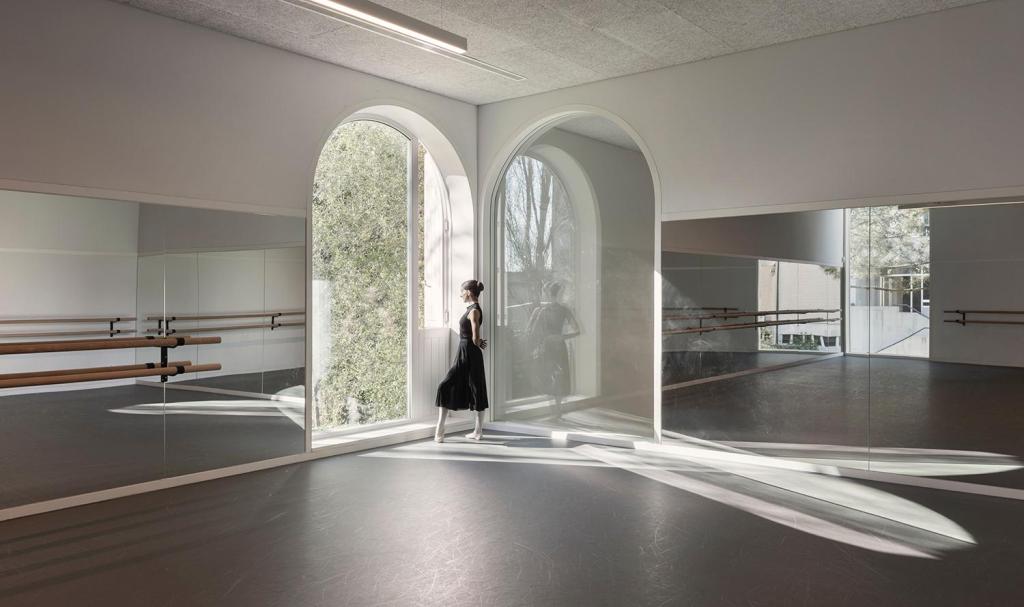
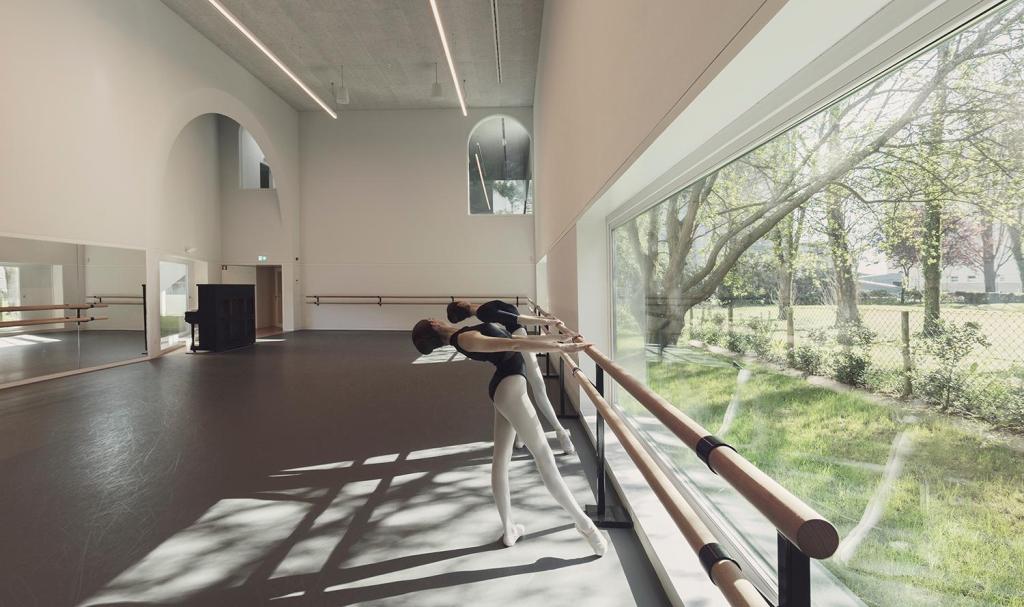
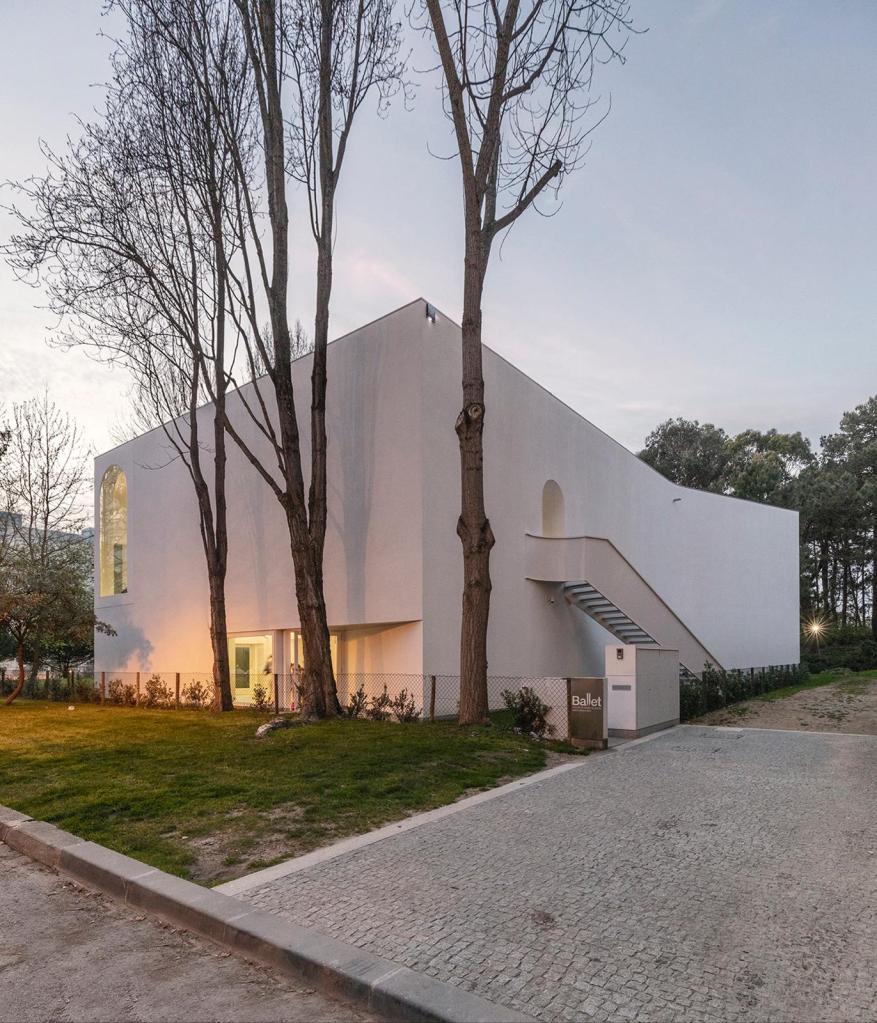
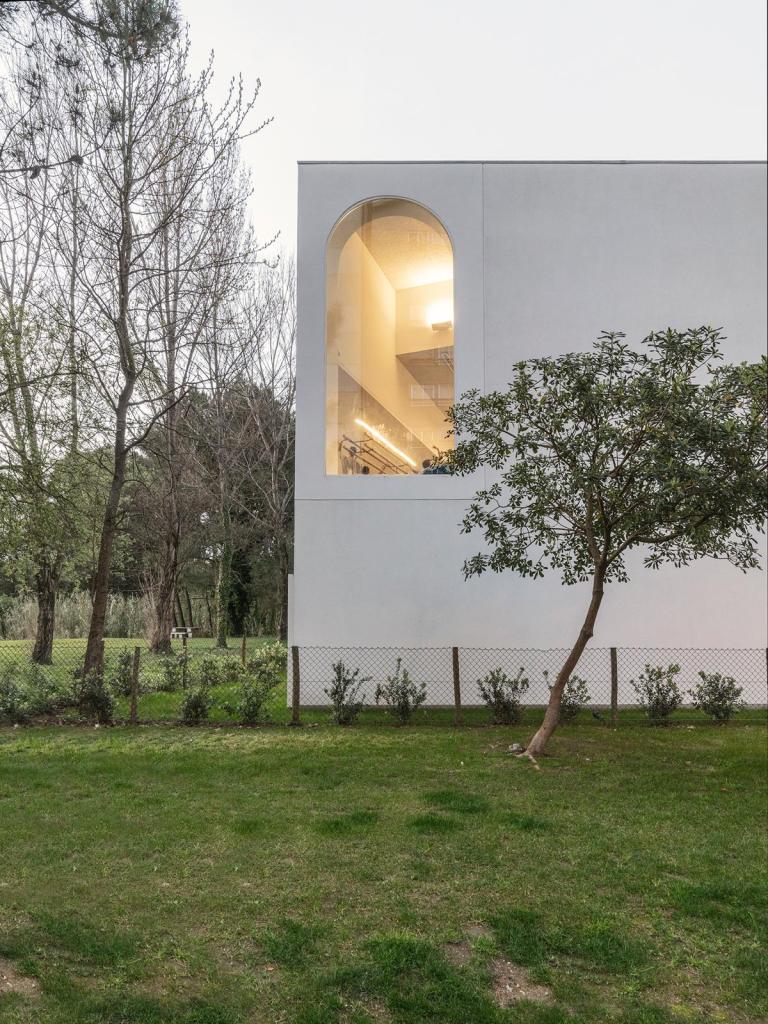
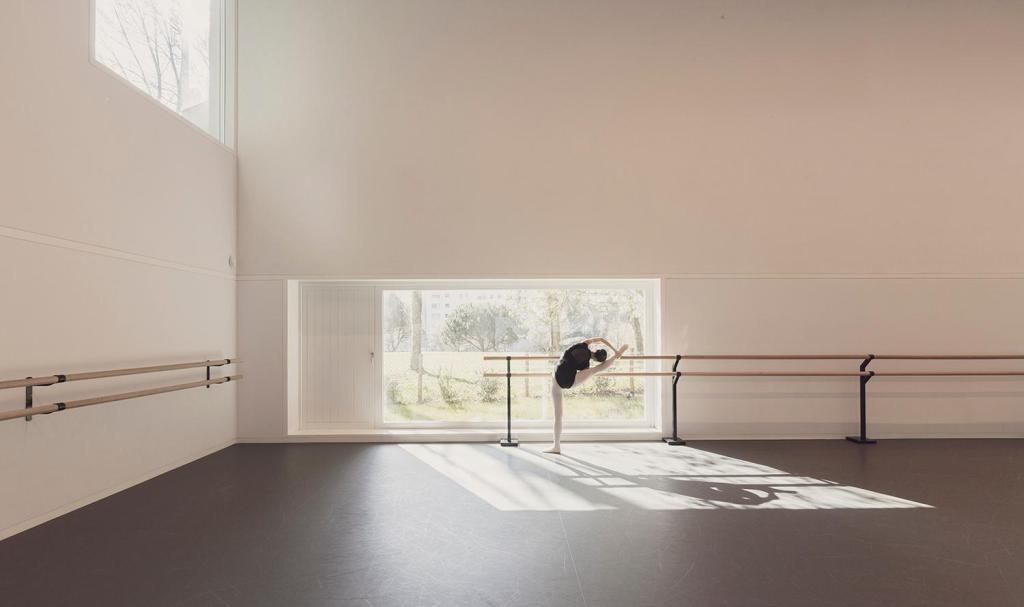
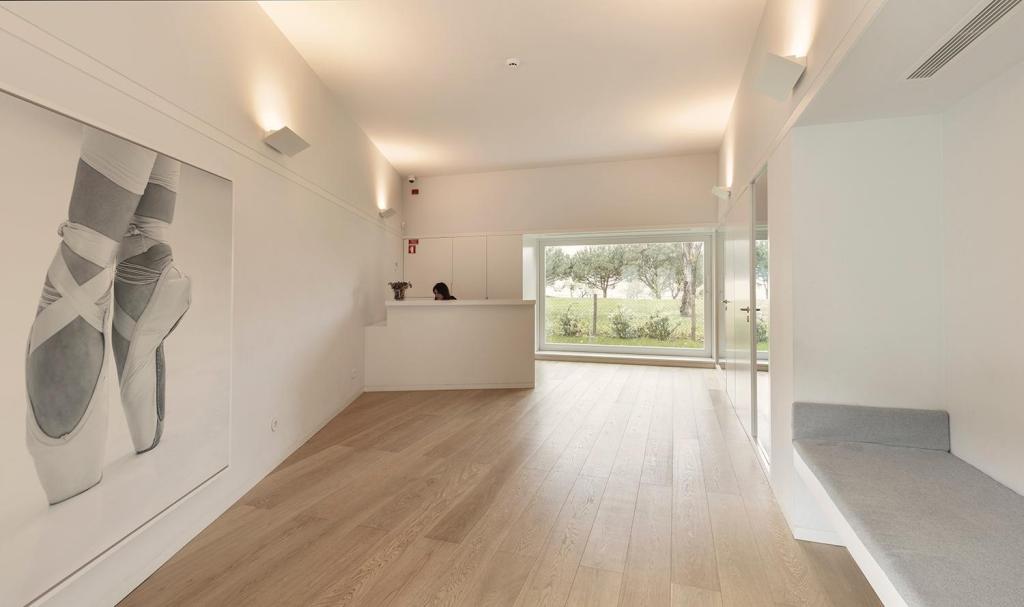
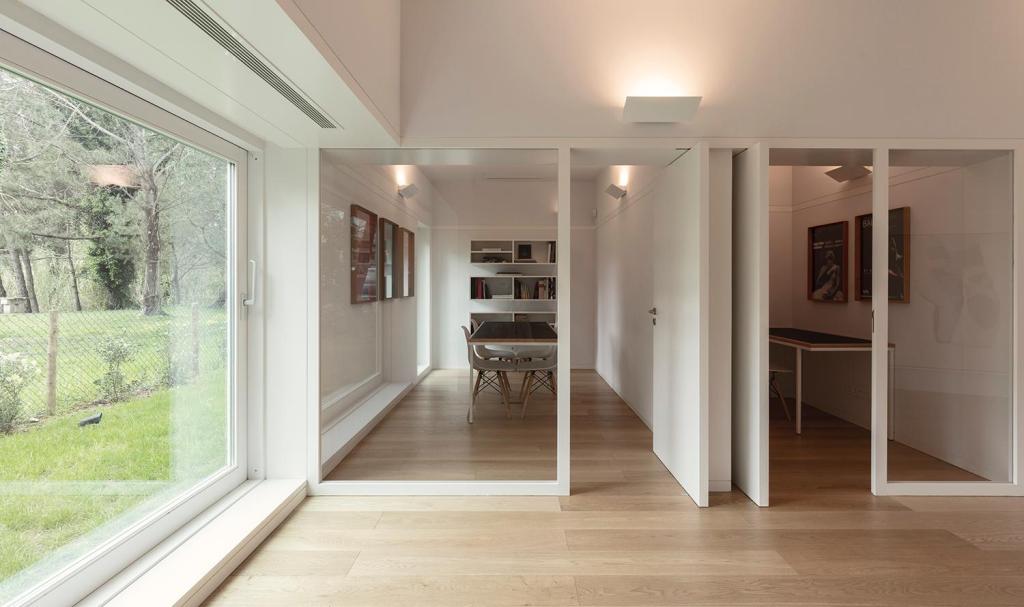
The current school space, inaugurated in 2022, was designed in collaboration with architect Francisco Vieira de Campos. It features natural light, open studios, visibility between classes, and proper flooring and acoustics. Cuca wanted the school to foster communication between students: “It’s essential for dancers to see and be seen, to learn from each other and inspire one another.”
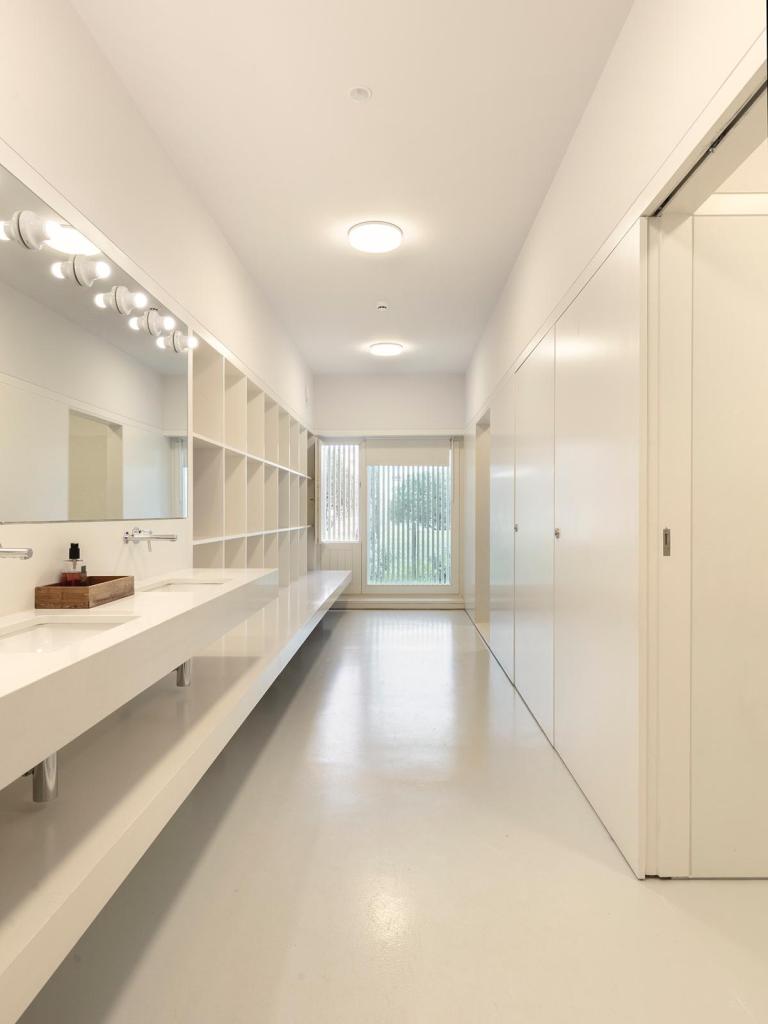
She is deeply involved in every aspect of the school: teaching, administration, liaising with parents, and ensuring all students receive proper attention. “Even small details matter — like ensuring there’s a proper changing space for a single boy,” she notes. She balances her personal life with three children and, at times, pregnancy, always keeping the school a priority: “Even with three young children and pregnancy, I never stopped pursuing the vision for the school.”
Cuca
“Even small details matter — like ensuring there’s a proper changing space for a single boy”
Ballet, for Cuca, is not just technique — it is community, trust, and shared growth. The school embodies her lifelong devotion to the art: “Every student who walks through the doors steps into decades of experience, dedication, and love for dance.”
Some Wednesdays, I’ll be in conversation with people I find interesting — not just for what they do, but for how they think, build and move through the world.
 OBSERVATIONS & OTHER ACCIDENTS
Leave a comment