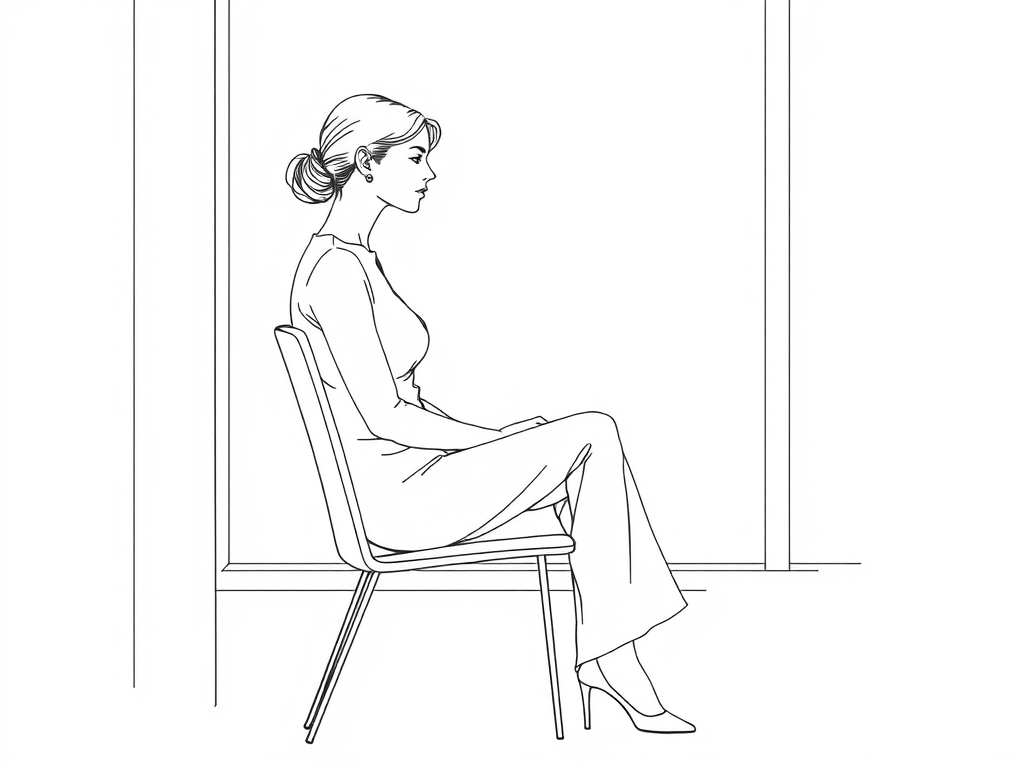
On the fear of free time and the quiet routines that keep us alive.
When the noise stops… it can feel like we stop too.
We move. Always. Rush. Do. Deliver. Perform. Life is measured in motion, in output, in usefulness.
Then, suddenly—we don’t.
The children are grown. Work has lightened. Commitments vanish. Days stretch. Hours appear where none existed. Time spills into our laps, uninvited, and we panic.
Stillness is alien. Idle hands feel like failure. Worth is measured in attention, in being needed, in producing. Without motion, we wonder: Who am I?
The quiet is brutal. It asks questions we have long avoided. What now? What if I am nothing without urgency? We panic not because the void is empty, but because it mirrors us. It shows the self we’ve neglected—the one backstage, hidden behind performance.
Films like Perfect Days (2023) feel electric. Not because of plot, but because of absence: a man watering plants. Reading in the sun. Driving with no destination. No audience. Life so uneventful it feels radical. Pure. Enough. A reminder that existence alone is sufficient.
And yet, when the void appears in our own lives, panic arrives first. It is almost violent—the sense that idleness is dangerous. That without constant motion we might dissolve. That usefulness is the only proof of life.
The antidote is ordinary. Ridiculously ordinary. Slow, deliberate acts. Waking early. Cooking meals. Writing. Reading. Dancing. Moving. Each repeated gesture a rebellion. A declaration: I exist even when no one watches.
Discipline stops being a burden. Routine becomes resistance. Presence is no longer performative. The day is measured not in applause, output, or achievement, but in the courage to simply exist.
The paradox is simple: freedom terrifies us. But the very same freedom can save us. By facing stillness, by embracing routine without audience, we reclaim life. Small acts—making tea, walking slowly, tending a plant—become anchors. Each one a quiet argument against the notion that our value depends on being useful, needed, or watched.
We have never been so free. And we have never been so afraid.
To exist is a radical act. To breathe without performance is rebellion. To move through the day, unseen, unmeasured, unjudged, is courage.
Sometimes, survival is not about achieving. It is about existing. Fully. Quietly. Alone, without apology.


Leave a Reply