On the release of the E Collection by Phoebe Philo — and why, in a culture of performance, I remain more than ever all for her.
Just released this week, the E Collection by Phoebe Philo, arrives without announcement fatigue, without spectacle, without the exhausting choreography that now accompanies almost everything in fashion — in the world, in general. And maybe that’s precisely the point. In a world that screams, I’ll always choose Phoebe Philo. In a “look at me” kind of world — louder, faster, algorithm-optimised — choosing restraint is no longer just aesthetic, it’s ideological.
As I wrote recently in an article for Vogue, “True luxury has no label, no trend; it does not proclaim itself discreet — it simply is. It exists effortlessly, without needing to stand out. It does not live for applause; it lives from inner comfort.” This idea of the silence of luxury feels directly connected to how the E Collection presents itself: unassuming, precise, quietly authoritative.
Because what Philo does — and continues to do here — is not about proposing a look, but about rejecting the conditions under which looks are now consumed. The E Collection doesn’t negotiate with visibility. It doesn’t soften itself for accessibility. It exists on its own terms: precise, controlled, almost confrontational in its refusal to entertain. Some critics have already described it as “rigorous to the point of austerity”, others as “deliberately out of sync with the market”. But that dissonance is exactly where its power sits.
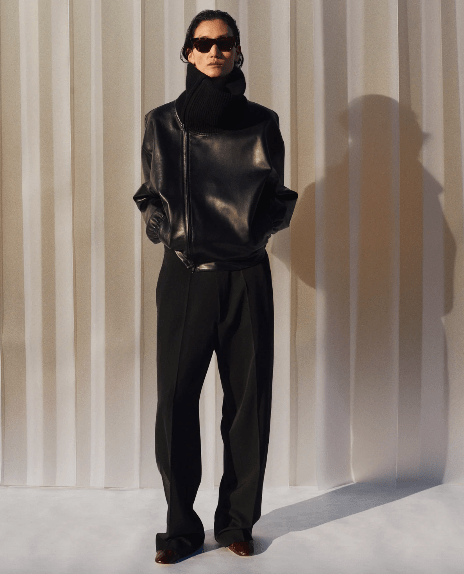
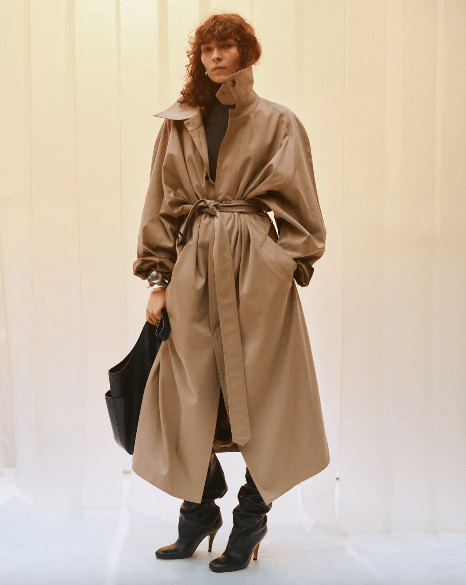
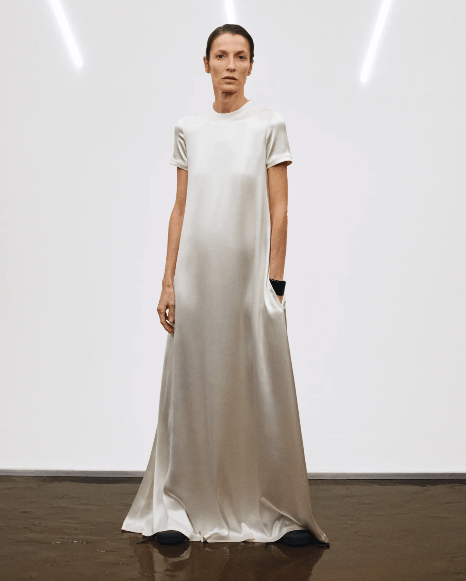
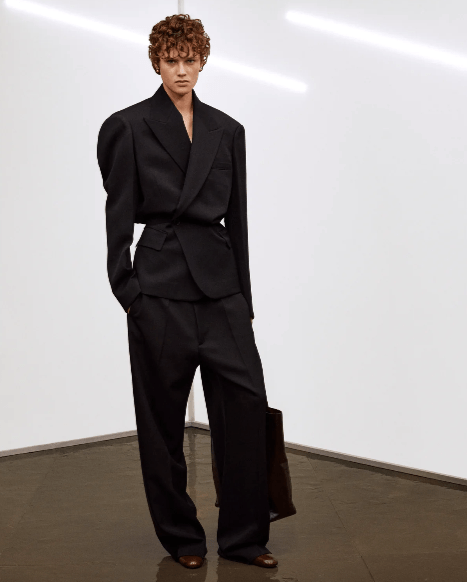
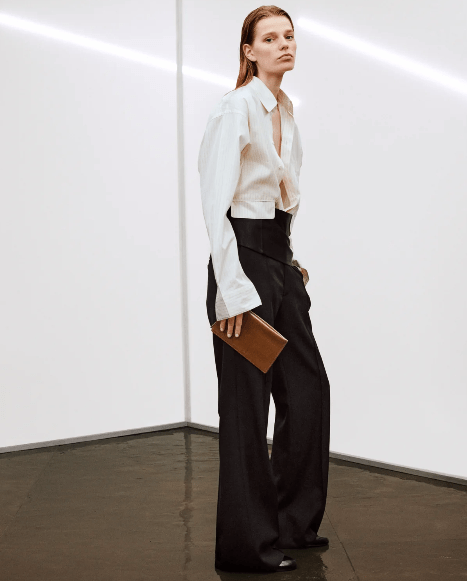
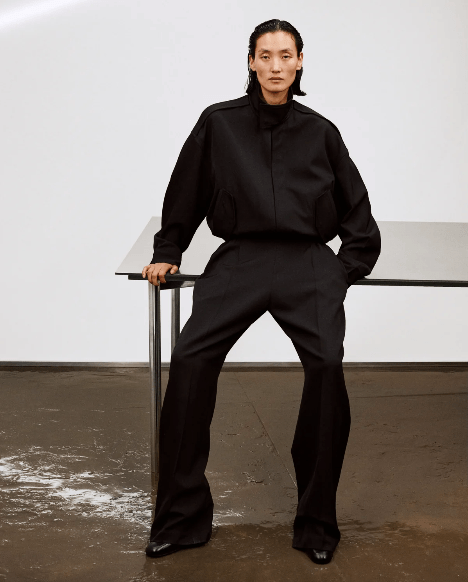
There are no concessions to trend, no obvious hooks, no instant gratification. Instead: exacting tailoring, elongated silhouettes, a kind of severity that feels less like restriction and more like clarity. A coat is just a coat — until it isn’t. A pair of trousers holds its line with almost architectural insistence. Nothing is asking to be liked. And that, today, feels almost radical.
Phoebe Philo
I’m interested in clothes that make you feel like yourself — not like someone else.
Philo has long been clear about her position: “I’m interested in clothes that make you feel like yourself — not like someone else.” And yet we are living in a moment built almost entirely on becoming someone else. A world of constructed faces, engineered bodies — often quietly orbiting around Ozempic — AI-generated perfection, filtered realities. Even individuality now feels templated. Even taste, outsourced.
Which is why the current fixation on Carolyn Bessette-Kennedy feels less like homage and more like misunderstanding. Lately, everyone wants to dress like her — sparked, in part, by the renewed fascination brought by the series Love Story. Suddenly, her clean lines, neutral palette, and effortless aura are being dissected, copied, and reproduced. But Carolyn was not a formula. She was actually the opposite of one. Before the minimalism, there was presence. Before the simplicity, there was decision. These are qualities that cannot be captured in moodboards or shopping lists. As I previously wrote, “A style icon is one simply because they are — effortless, without stylists dictating what to wear, just consistency and instinct.” And it is this coherence — not imitation — that made her influence enduring and resonates, quietly, with the philosophy behind the E Collection.
The uncomfortable truth is that the desire to imitate that kind of style immediately cancels it out. Because Carolyn Bessette-Kennedy wasn’t referencing, wasn’t curating, wasn’t performing. She wasn’t trying to look like anything — and certainly not like someone else. Yes, Calvin Klein provided a visual framework, but it didn’t construct her. If anything, it was her discipline, her restraint, her almost clinical understanding of elegance that elevated the environment around her — not the other way around.
And this is something that still exists — quietly — among those who actually work in fashion. Not the ones performing it online, but the ones living it. Their clothes rarely shout. Their wardrobes aren’t reactive. There’s an understanding, almost instinctive, that style isn’t about accumulation, but elimination. Knowing what not to add. Knowing when to stop. As I explored in a previous post on this blog, this is exactly the kind of silent discipline that defines true style — the choice to simplify not for spectacle, but for coherence.
It’s the same instinct that defined Phoebe Philo’s years at Céline — a period that didn’t just influence fashion, but recalibrated it. As one critic wrote at the time, her work “gave women permission to disengage from fashion while still being entirely within it.” That paradox — distance without absence — is perhaps her most enduring contribution.
The E Collection sharpens that position. It feels edited to the bone. There is less softness, less persuasion, less need to accommodate. Some have called it “cold”. Others, “uncompromising”. But perhaps what feels unfamiliar is simply the absence of seduction. These are not clothes designed to attract attention — they are designed to withstand it.
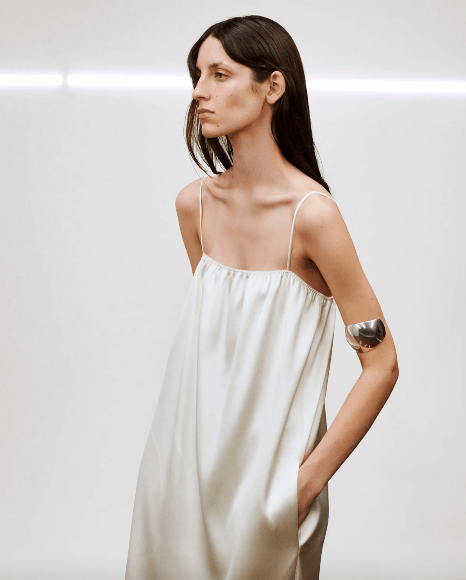
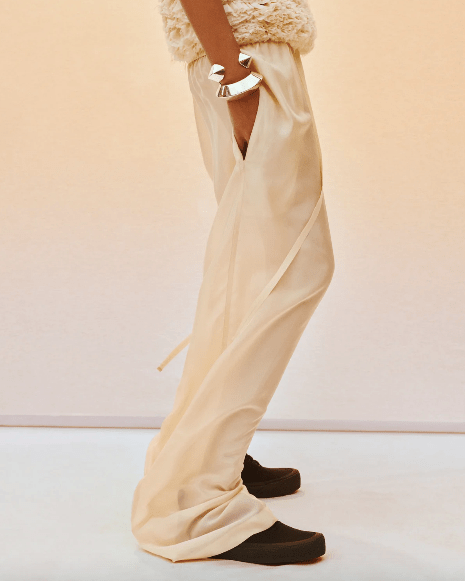
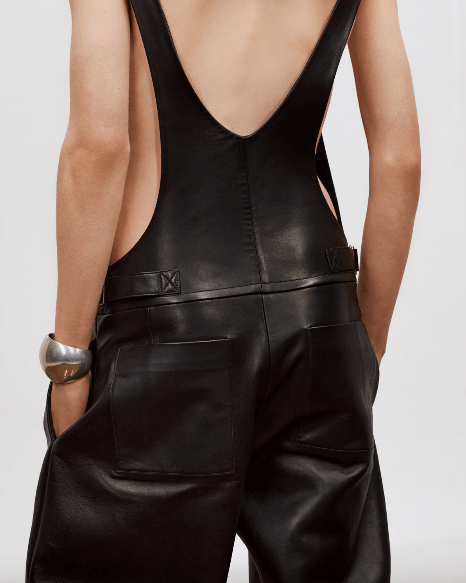
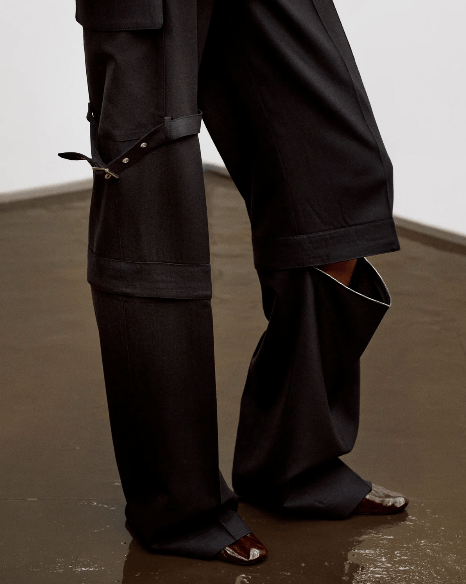
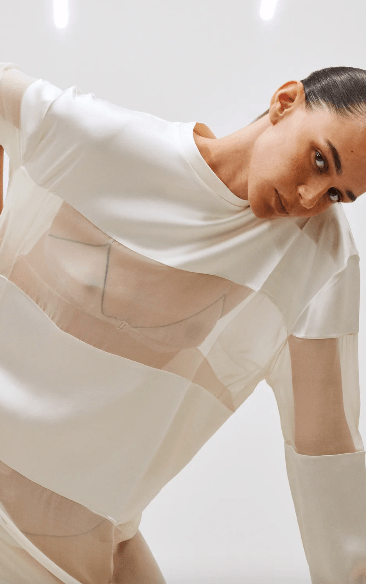
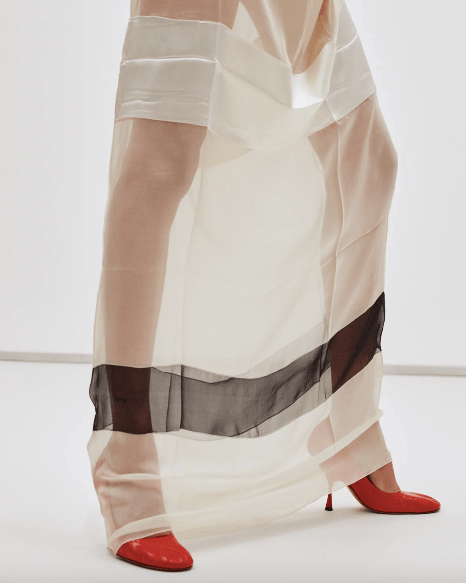
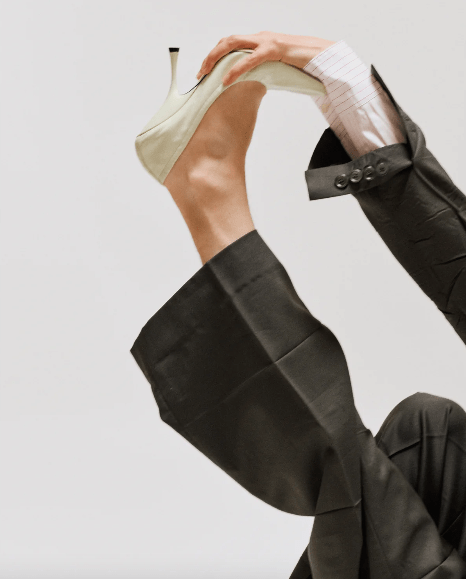
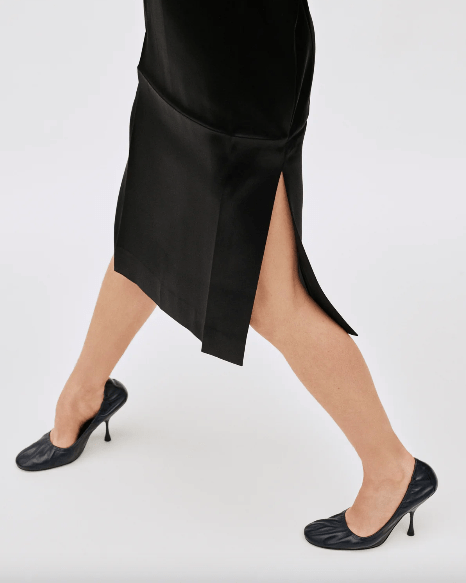
Philo herself framed the collection with characteristic directness:
“These are clothes for living — not for performing.”
And that distinction, in 2026, feels almost confrontational. Because performance is precisely what defines the current landscape — not just in fashion, but in identity itself.
So what does it mean to choose Philo now?
It means choosing coherence over noise. It means resisting the constant pressure to be seen, to be validated, to be consumed. It means understanding that style — real style — is not something you assemble, but something you allow.
And maybe that’s why her work lands differently now. Not as nostalgia, not even as opposition, but as a kind of correction.
In a world that screams, I’ll always choose Phoebe Philo.


Leave a Reply