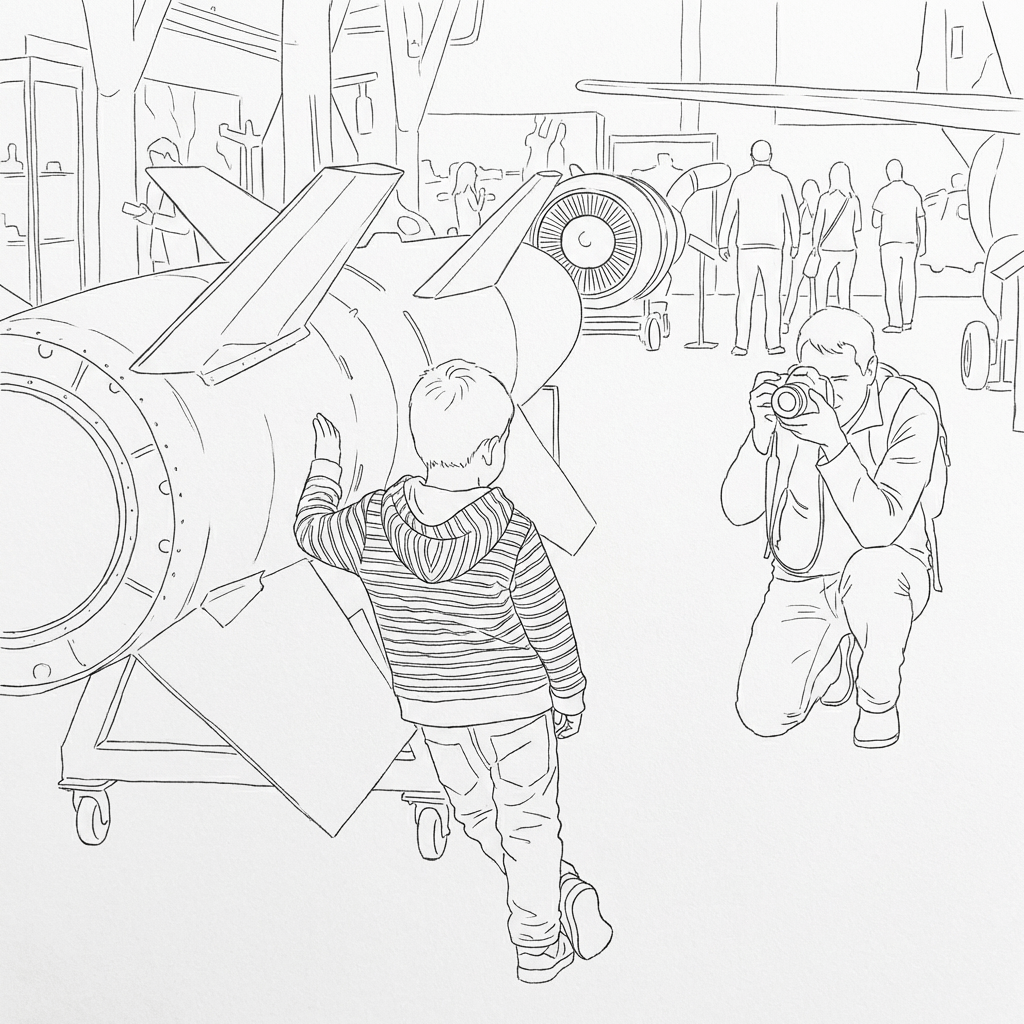
How Normality Becomes Image.
In an earlier post on my blog, I explored the ‘new abnormal’ how our perception of normality has shifted, how what would once have been impossible now infiltrates our routines and the way we present ourselves to the world. Life has learned to be performative, to be shared, photographed, framed.
Over the past weekend, I came across an article in Expresso whose headline promised serious reflection: “How to gain time or make peace in a Middle East on the brink of hell.” The image illustrating it showed an older man photographing a child leaning against a missile. The caption read: “Residents of Salfit in the West Bank observe the fragment of an Iranian missile intercepted by Israeli air defence. Issam Rimawi/Anadolu/Getty Images.” A moment that mixes danger, absurdity, and digital aesthetics. What would once have made us recoil is now framed for visual consumption — a war zone transformed into a social media backdrop.
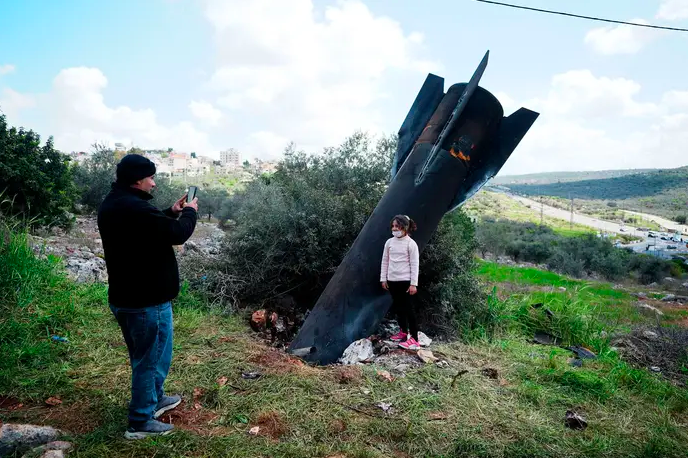
The caption read: “Residents of Salfit in the West Bank observe the fragment of an Iranian missile intercepted by Israeli air defence. Issam Rimawi/Anadolu/Getty Images.
The choice of this photograph is not intended to exploit suffering, but to illustrate a phenomenon: how, even in extreme danger, life can become stage and content. For the residents of Salfit, interacting with this scene may be a way to soften the harshness of the moment, to normalise the impossible, to transform trauma into something that can be framed. It is this strangeness of performative normality that challenges us to reflect on the contemporary world.
What new abnormal is this, where missiles become backgrounds for photographs and the line between life and image dissolves? Photography, which for centuries preserved memory and intimacy, has now become testimony to a paradox: normality as the stage for the impossible, the extraordinary rendered banal.
This phenomenon isn’t limited to war. We see it on the streets, in cities, in the feeds we scroll daily: accidents, tragedies, extreme moments — all framed to be seen, shared, commented on. Reality has become performative, and we have grown accustomed, observers of digital absurdity.
The “new abnormal” is not only what happens but how we respond to it. Strangeness no longer shocks us; we have grown used to it, accepting the absurd as framed and highlighted. Perhaps here lies the contemporary challenge: to recognise what is unacceptable, even when we are accustomed to seeing it framed, and to reclaim a sense of boundary in a reality that no longer knows how to be merely real.
What this image reminds us of is simple yet unsettling: there are no fixed boundaries between normality and absurdity. The extreme enters routine, destruction becomes a backdrop for images, and we continue to watch, scroll, share, feeling that it all belongs to our world — now aesthetically framed.
And if this is the new abnormal, the inevitable question remains: where does reality end and performance begin?


Leave a Reply