
What the World Cup taught us about ourselves.
I’ve always had an on-and-off relationship with football. There were years when I was completely obsessed with it, and others when I barely gave it a second thought.
Over the past year alone, I’ve probably watched close to a hundred matches — from the Premier League to Portugal’s Primeira Liga, with plenty of others in between. Moving to the city of the club I’ve supported all my life, FC Porto, certainly reignited something that had been quietly dormant. So did watching football alongside my partner, whose understanding of the game has taught me to notice things I would probably have missed on my own. I found myself back at the stadium: as a supporter, a club member, and, above all, as a fan.
But football has never really been about football.
To me, football has never really been about football. Every match leaves me thinking about something bigger — human behaviour, psychology, resilience, ego, leadership, fear and belief. Football is one of the purest laboratories of the human condition. Every ninety minutes offers another lesson, if we’re willing to pay attention.
This World Cup, sadly drawing to a close, has been full of those lessons.
I watched almost every match. The few played in the middle of the night I caught up with through highlights the following morning. And every single one left me feeling something.
I laughed.
I cried.
I got frustrated.
I was genuinely surprised.
Judging by the reaction across the globe, I don’t think I was alone.
More than anything, though, what we witnessed was something increasingly rare: unity.
For a few precious weeks, supporters from every nation sat side by side. Rivalries remained on the pitch, while humanity quietly took centre stage.
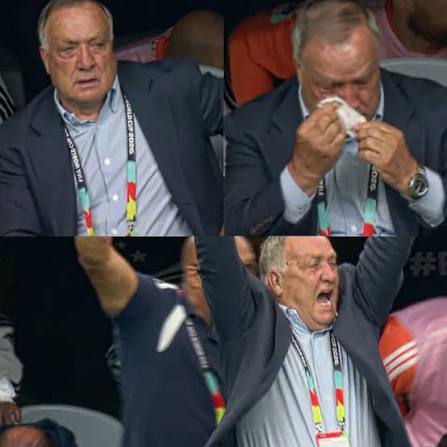
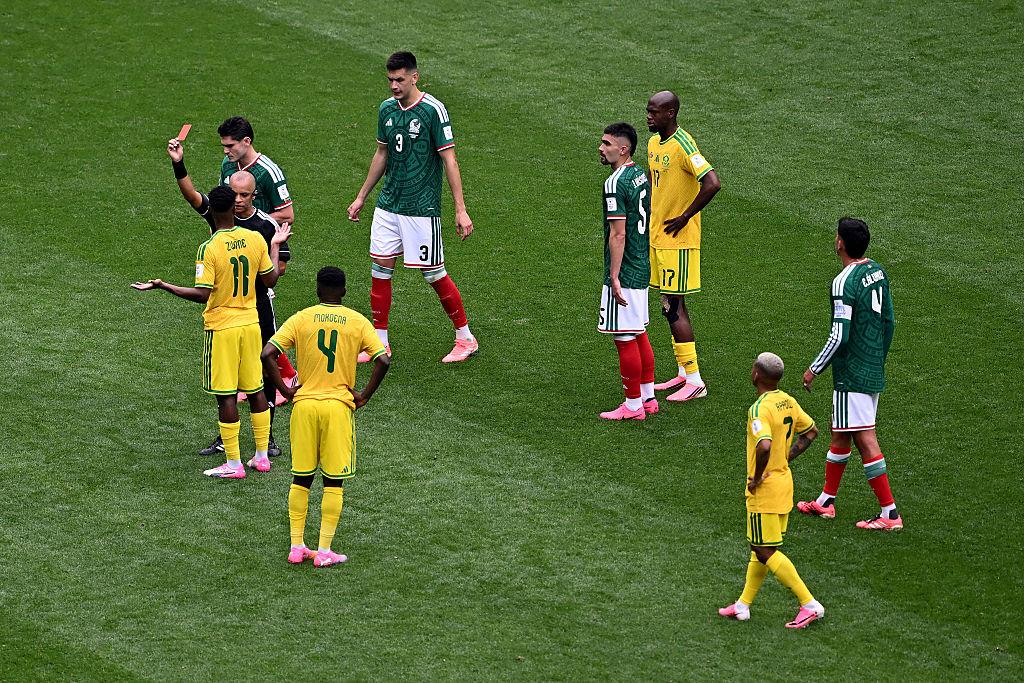
The opening match between Mexico and South Africa gave us one of the tournament’s funniest moments, as players looked utterly bewildered while Brazilian referee Wilton Sampaio attempted to explain decisions in English. We watched Dick Advocaat, manager of Curaçao — a Caribbean island of little more than 150,000 people making its historic World Cup debut — break down in tears, carrying not only the weight of his team’s extraordinary achievement but also the emotional burden of having stepped away from football to care for his seriously ill daughter.

We saw Cabo Verde, one of the tournament’s smallest nations, stand fearlessly against the might of Spain, with goalkeeper Vozinha turning belief into an almost impenetrable wall.
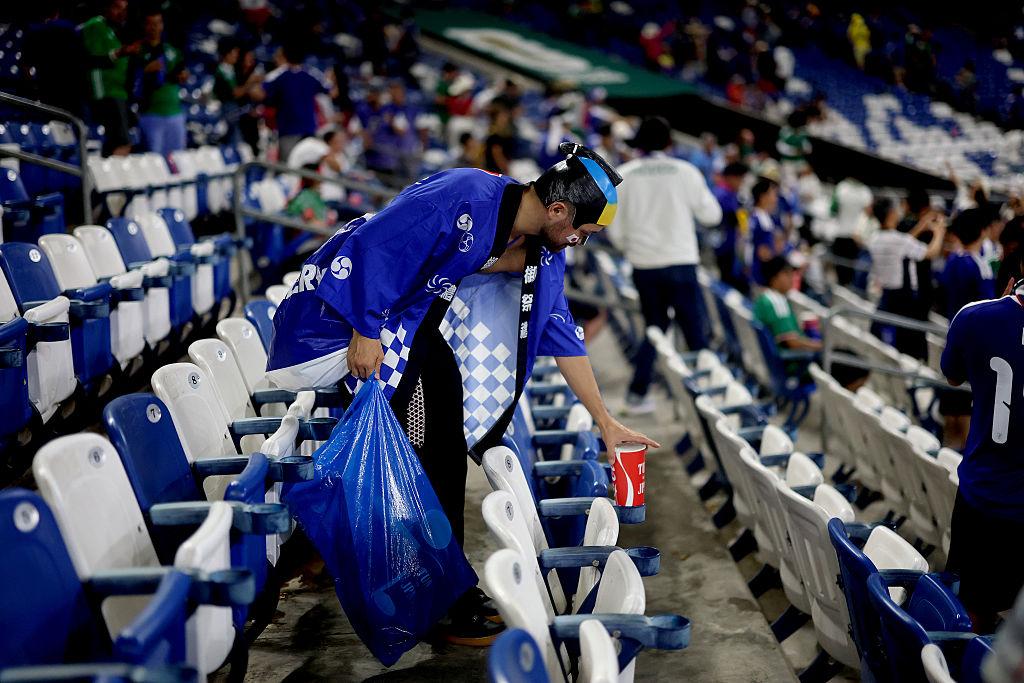
We watched Japanese supporters cleaning the stands after matches, while their players left the dressing rooms exactly as they had found them.
A police officer in the United States unexpectedly became a social media sensation thanks to his remarkable football skills.
We witnessed players openly expressing their faith while showing complete respect for the beliefs of others.
Victorious supporters embraced defeated rivals.
Time and again, impossible comebacks reminded us of what determination, unity and collective belief can achieve.
Individually, they were just moments. Together, they became the story of this World Cup.
When the tournament is finally over, this is what I’ll remember most.
At a time when wars continue to divide nations, football somehow managed to do the opposite. It brought people together. It softened hostility. It momentarily erased borders that politics has spent decades reinforcing.
And it’s difficult not to wonder: what if politics simply got out of the way? What if those who hold power governed differently? Does power inevitably corrupt, or does it merely reveal who people already are?
Let’s not pretend football itself is innocent. FIFA has never been free from politics, vested interests or corruption.
Yet what happened on the pitch, in the stands and in the streets told a completely different story.
Because if this World Cup taught us anything, it is that ordinary people were never the problem.
Power usually is.
And despite everything happening around us, humanity is still very much alive.


Leave a Reply