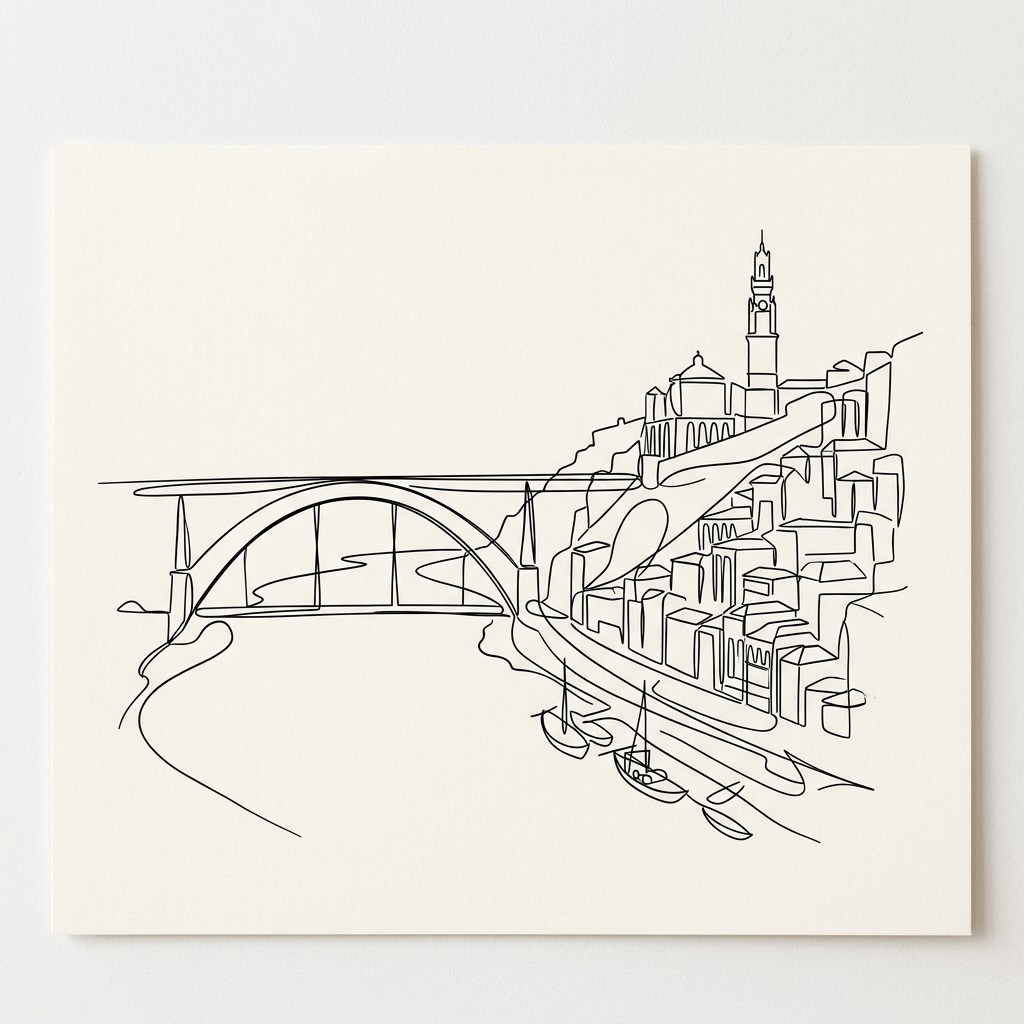
As in fashion, so in cities: some colours say more than they appear to. Yesterday, Porto spoke — in blue and white.
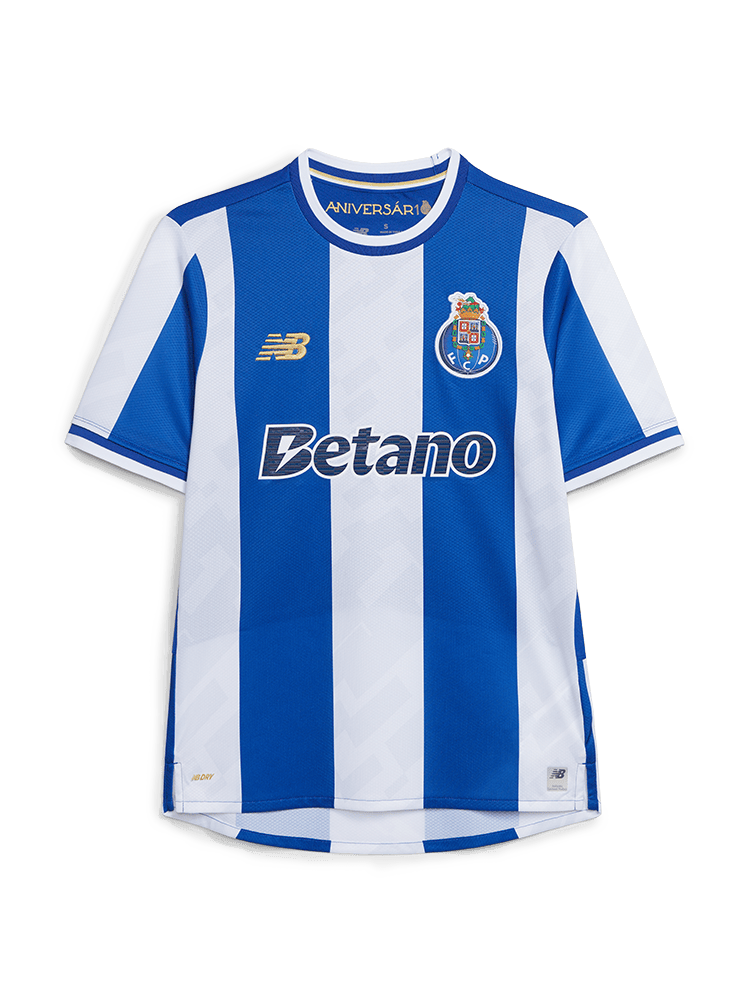
Yesterday, the Futebol Clube do Porto were crowned national champions — against everything, and everyone. It has now been a year since I moved to Porto, the Invicta city, and perhaps that is why this moment felt different.
I am half Lisbon, half Porto. My father was born and raised here, and half of my family is from the city. I have always been a Portista — not by choice, but by inevitability. A fanatical father, a fanatical family, a brother with a dragon tattooed on his arm. On my mother’s side, football never existed in quite the same way. I grew up between these two worlds.
There were periods in my life when I was completely devoted to the club, to football, to everything it represented. Then came youth and adulthood, and other interests took over — fashion, writing, the world beyond sport. But some things do not disappear. They simply lie dormant.
Since moving here — and perhaps also because of a Portista boyfriend who is nothing short of obsessive — I have found myself returning to it. And I am, as I have said before, someone who does not know how to love anything in moderation. Never half-measures.
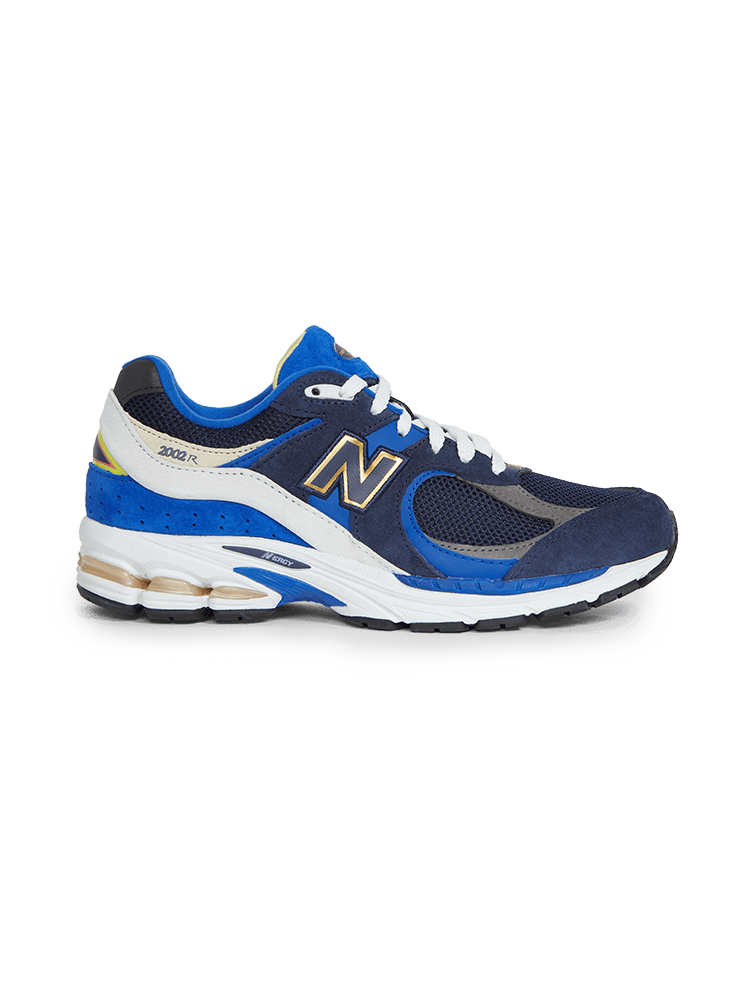
Yesterday, the city dressed in blue and white. I dressed in blue and white. And that is why this week’s The Weekend is dedicated to blue — above all, Porto blue. Because blue is never just blue.
A few years ago, I wrote about this colour for Vogue, in a column I used to sign called IN VOGUE HISTORY. It was 2020, and blue had just been named Colour of the Year by Pantone. But blue does not belong to a year — it belongs to history itself.
It has been the colour of kings, of power, of distance. Louis XIV used it as an absolute declaration of authority; centuries later, it moved into the everyday through denim, created by Levi Strauss and Jacob Davis, designed to endure, to resist, to carry real lives. Between privilege and utility, symbol and reality, blue has never stopped shifting.
“With more than a hundred shades, it takes very little for blue to say everything,” I wrote at the time, for Vogue.
In fashion, it is never neutral. It is always choice, always language — a silent presence that moves from the runway to the street, from art to what we wear without thinking.
“Blue does not simply dress the body — it positions it”, a point I made at the time when reflecting on colour as language in fashion.
And sometimes, more than anything else, it is identity.
There is a scene in The Devil Wears Prada that never fails to land. Miranda Priestly holds up two seemingly identical blue belts and dismantles, with surgical precision, the idea that it is “just blue”.
(The Devil Wears Prada 2 has just arrived in cinemas, with Miranda Priestly — and the world of Runway — returning to the foreground.)
If it were written today, perhaps she would say this:
I see. You think this has nothing to do with you.
You choose a blue jumper — simple, basic — convinced you stand outside of it all. But what you do not realise is that this jumper is not just blue. It is not turquoise, it is not lapis lazuli.
It is Porto blue.
You do not know that in 2003, the Futebol Clube do Porto conquered Europe. That this blue filled the Estádio do Dragão, then spilled into the streets, balconies, scarves, voices, cities. That it became memory, identity, belonging.
And then it spread — inevitably — until it reached you.
This blue represents millions of people, stories, labour, devotion. And it is almost absurd to think you stand outside of it, when in reality, you are already inside it.
Yesterday, Porto was painted in that blue once again. And I was there — from beginning to end.
Because some colours are worn.
And others, eventually, wear us.
This week, THE WEEKEND is out of sync — and exactly where it needs to be.
 OBSERVATIONS & OTHER ACCIDENTS
Leave a comment