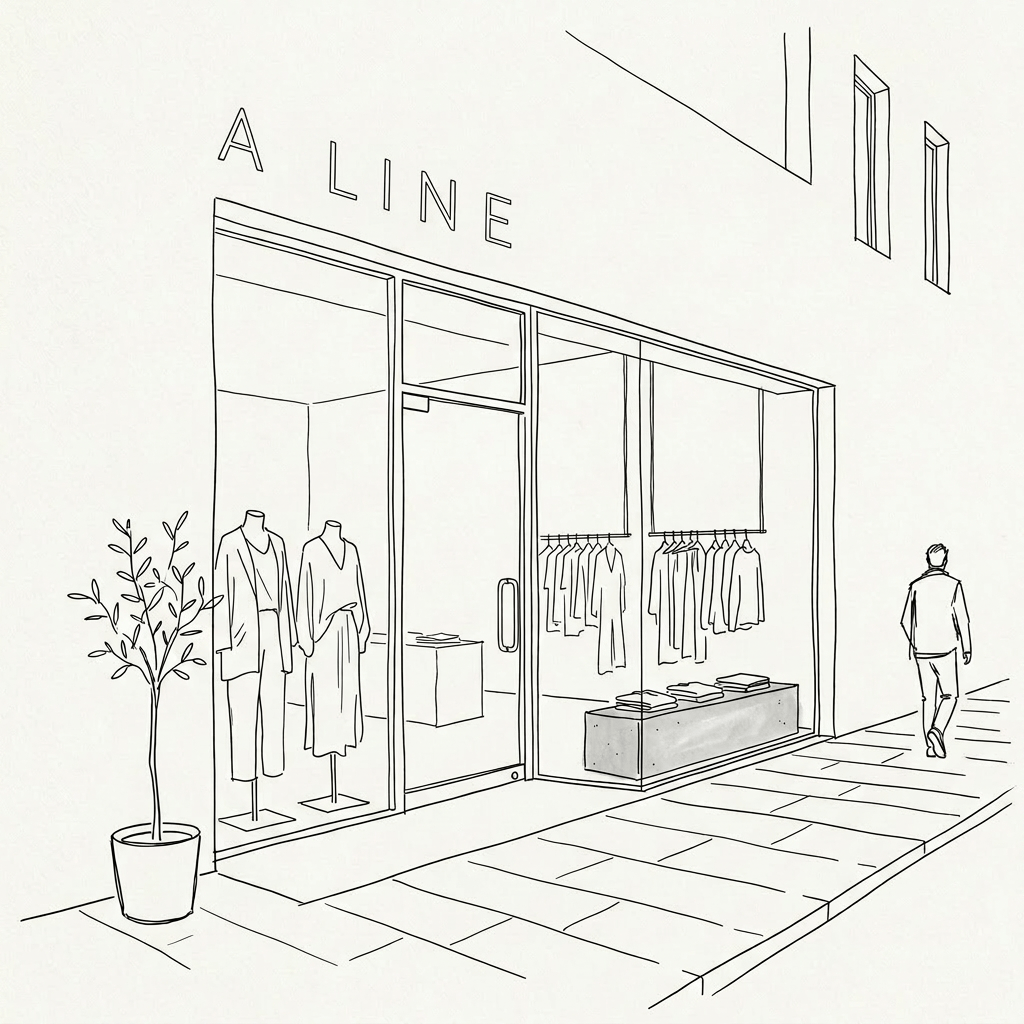
A Line in Porto, and a conversation with Diogo Miranda on how a brand changes when everything is questioned — from image to intention, and from clothes to the way we actually live them.
This month marks one year since I moved to Porto. There is still so much I don’t know about the city — my introverted, homebody nature hardly helps. But when it comes to fashion, I always like to understand what is happening around me. And it was completely by chance, at a party in Lisbon’s Palácio Chiado, that I first heard about A Line while speaking to the brand’s creative director, Diogo Miranda.
It could have been just another shop. But the moment I opened A Line’s Instagram page, I immediately realised it wasn’t. The impact was instant: this is completely my thing. Minimalist, sophisticated, functional and quietly cool — the kind of brand that does not need to shout to have an identity.
Diogo lives in Porto, so arranging a visit to the store happened quickly. This Wednesday, we finally met.
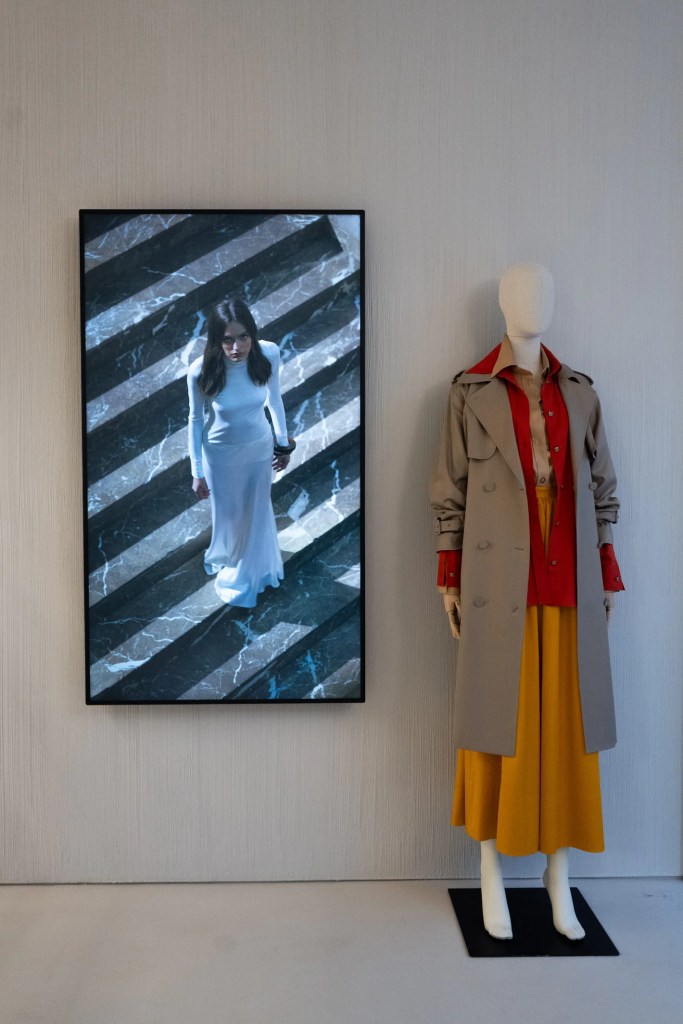
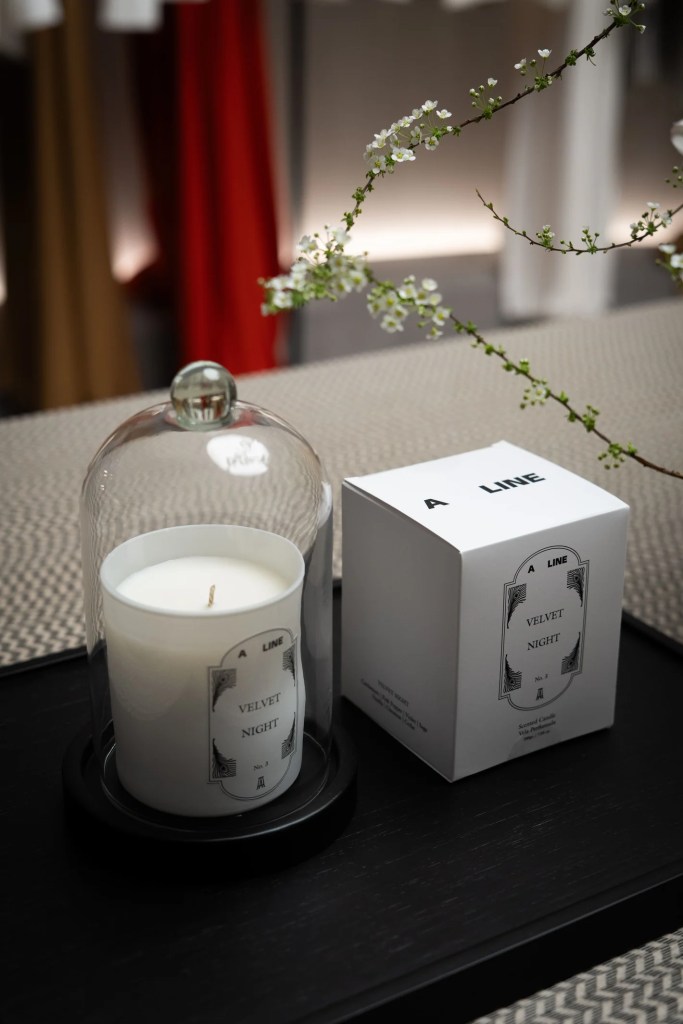
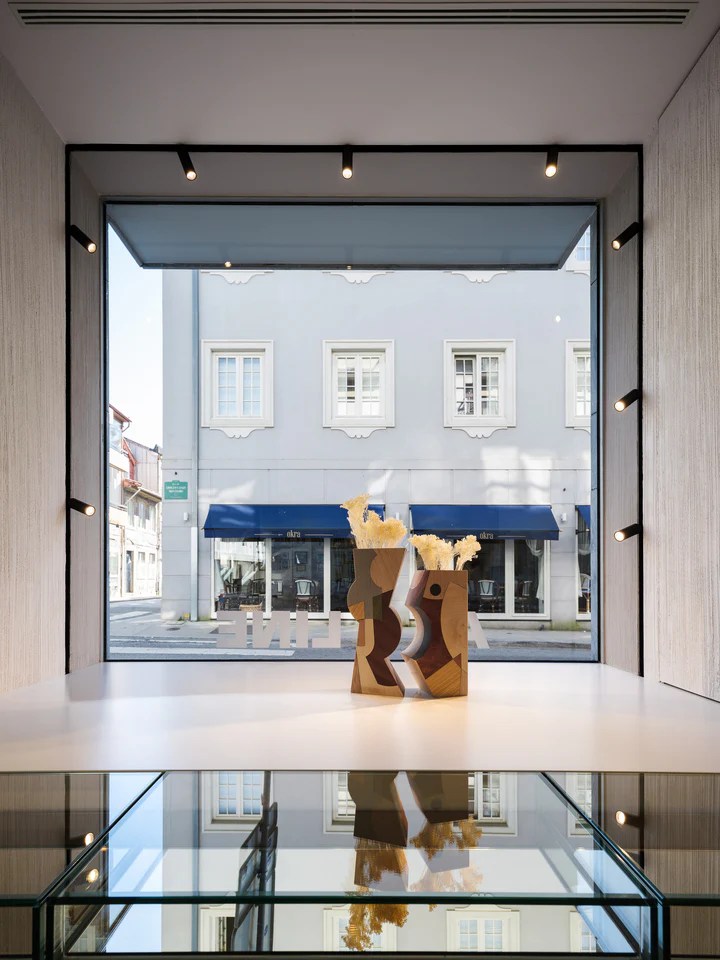
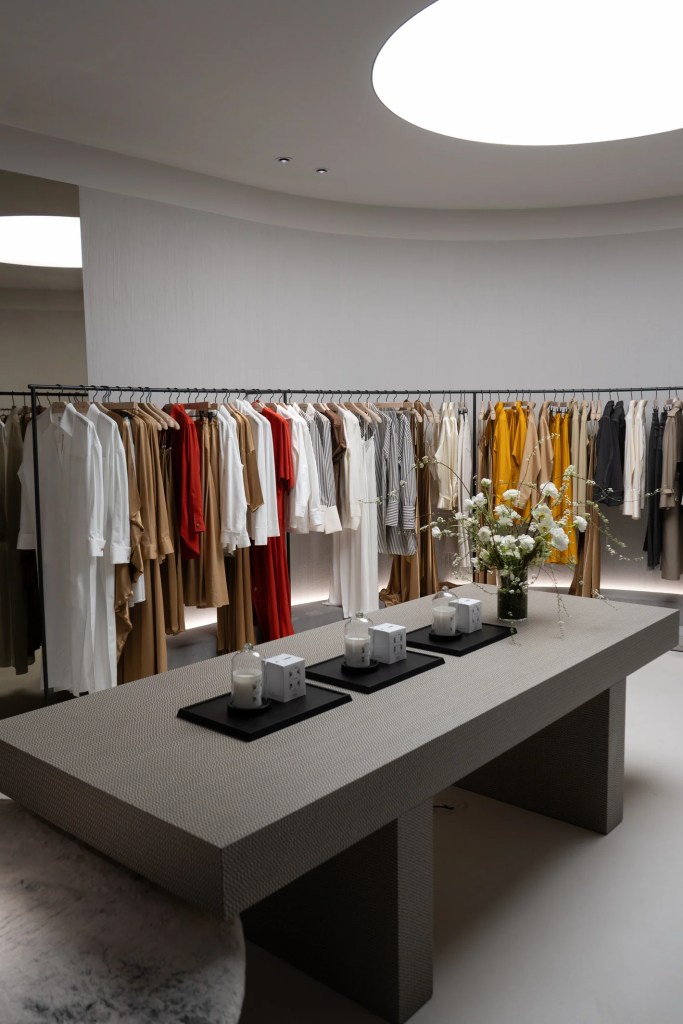
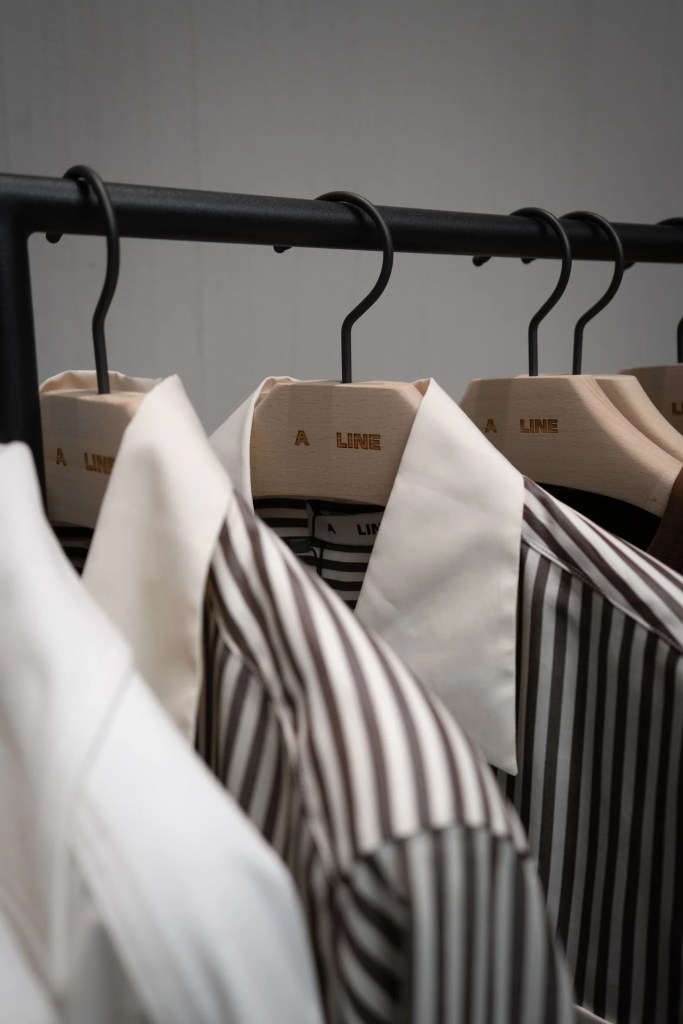
Founded in 2016 by Alexandra Carneiro and Hélder Gonçalves, A Line entered a new phase in June 2024, when Diogo Miranda took over as creative director. Since then, the brand has undergone an almost complete visual and conceptual transformation: a new monogram, a new image, a new language. But more than an aesthetic shift, there is a clear change in mentality.
“When I arrived, I had to change the brain of the brand,”
Diogo tells me.
After 16 years in the industry — with his own label, teams, Paris Fashion Week and showrooms in New York, London, Milan and Paris — stepping into a larger structure brought a different kind of challenge. “You arrive at a bigger company and think: ‘Why can’t you do this?’. But there was always that resistance of ‘we’ve always done it this way’.”
Today, he oversees everything visually connected to the brand: collections, campaigns, merchandising, store layouts, image and creative direction. And the coherence of that vision becomes immediately apparent.
As Diogo puts it: “The brand image had always been about simple lines and shirting, but there wasn’t really a story. There were too many disconnected things.”
Now, there is clearly a narrative. A Line exists within a space of contemporary minimalism designed for real everyday life, without sacrificing sophistication. The pieces are rooted in permanence: clean silhouettes, durable fabrics, an easy-to-wear palette and that rare ability to feel both current and timeless at once. There are no excesses or loud trends — just thoughtful clothes that make sense both in a wardrobe and in real life.
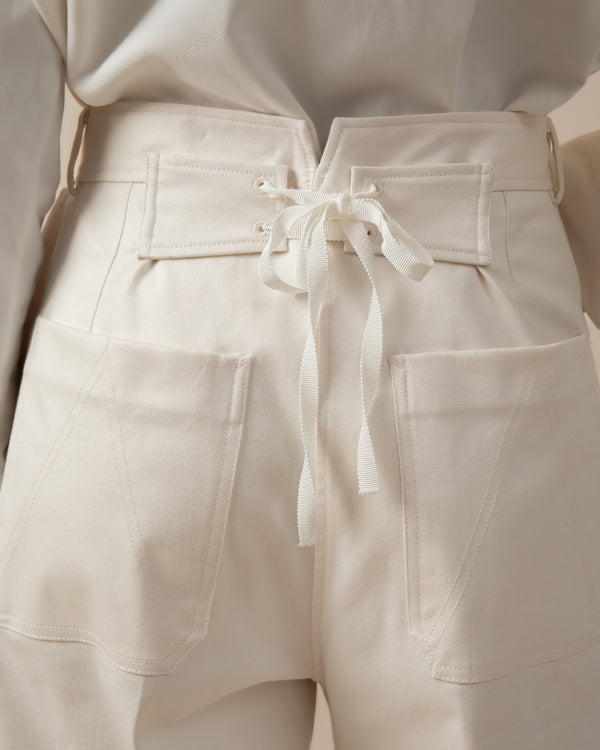
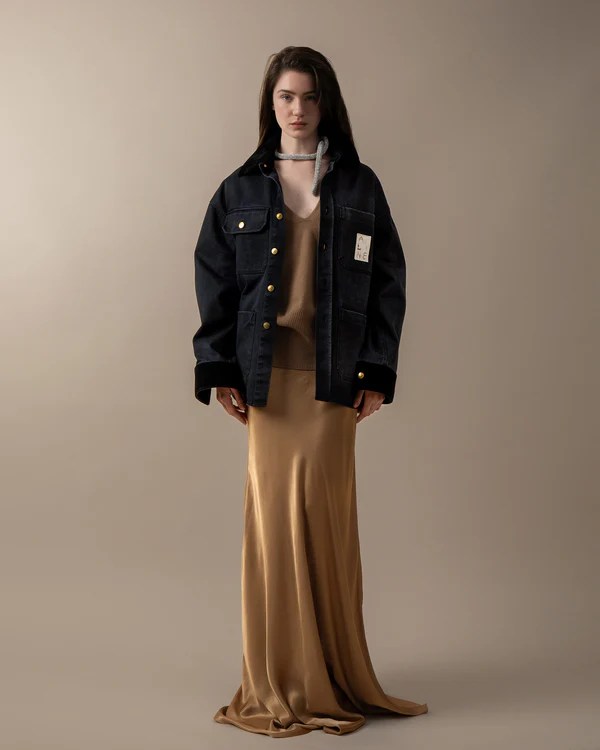
“I wanted to bring in a more unisex approach, very connected to everyday dressing, but with smart pieces.”
And that is exactly what you feel while walking through the store. There is a practical intelligence to the clothes. Nothing feels overly rigid or overdesigned. Everything speaks to each other. “You can wear this skirt at night, but also during the day with a basic T-shirt. That’s what interests me: versatile pieces.”
Diogo also explains that one of the biggest changes was showing clients different styling possibilities. “Today, clients come in and often leave dressed head to toe. They like it when we show them possibilities: ‘you can wear this shirt with these trousers, or later with denim’. The more ideas you give them, the easier it becomes.”
And perhaps that is where the most sensitive side of his work reveals itself: in the way he understands the female body and what women genuinely look for in clothing. “I have a strong background in understanding what women want. I spent years in ateliers hearing things like: ‘I want to hide this’, ‘I want this differently’. That’s why they enjoy the experience here.”
“I have a strong background in understanding what women want. I spent years in ateliers hearing things like: ‘I want to hide this’, ‘I want this differently’. That’s why they enjoy the experience here.”
Everything is produced in Portugal — clothing, leather accessories, knitwear — and there is an evident focus on durability and construction. “The idea is always to create quality pieces that you buy today and continue wearing years from now.”
The fabrics, too, are selected carefully. Some come from abroad, including leftovers from major luxury houses. “We started buying leftover fabrics from the Louis Vuitton group through an online platform. Only when the fabric arrives do you truly understand what it actually is.”
“I think a lot about durability and the possibility of combining pieces. Making things that don’t go out of fashion.”
For now, there are no evening dresses in the store — at least not in the traditional sense of the term. “We don’t make party dresses. That’s not the point of the brand. We make timeless pieces.” Still, Diogo admits that the Spring/Summer 2027 collection will include “a few more special dresses”, although he stresses that this remains far from the brand’s core focus.
“We don’t make party dresses. That’s not the point of the brand. We make timeless pieces.”
As a Lisbon native, I could not resist asking: what about Lisbon? The answer comes without drama. “We had an experience at Embaixada, in Príncipe Real. It was a three-month pop-up between November and January. But Lisbon works differently. And then we also caught the Christmas period.”
Even so, the brand is now beginning to look more closely at the Portuguese market. “Our market was always very international. Since I arrived, we’ve started working more on the national market. We have a PR team now and we’ve been doing several initiatives that have gone really well, including internationally.”
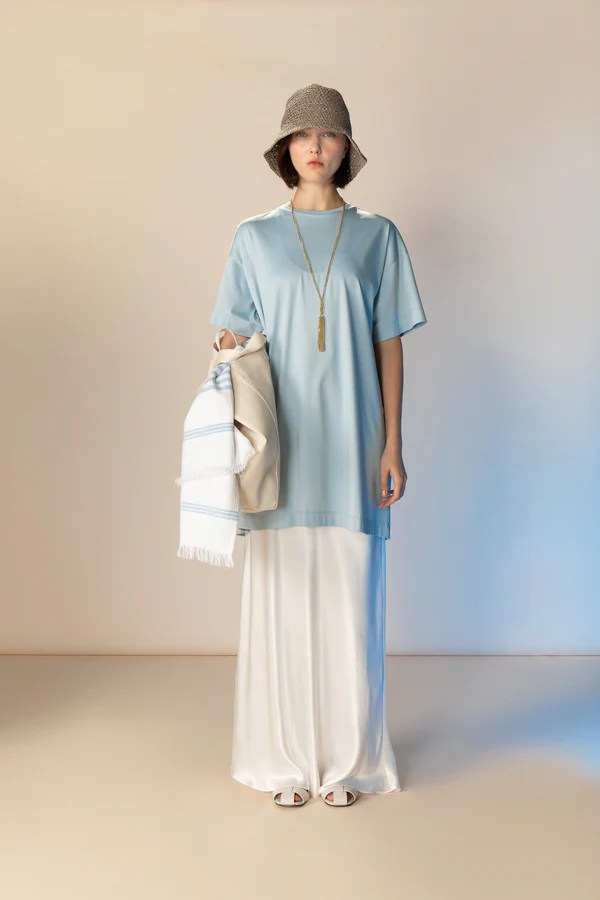
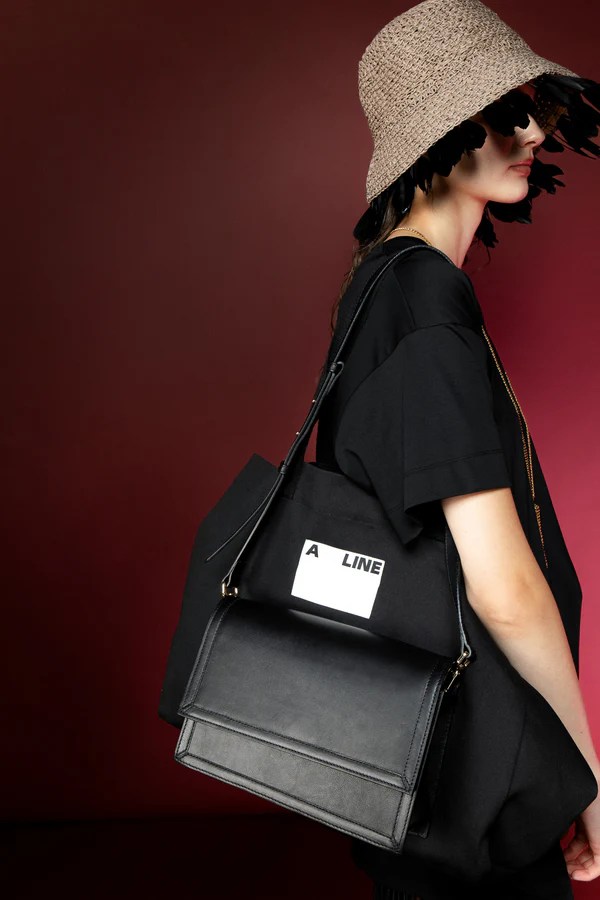
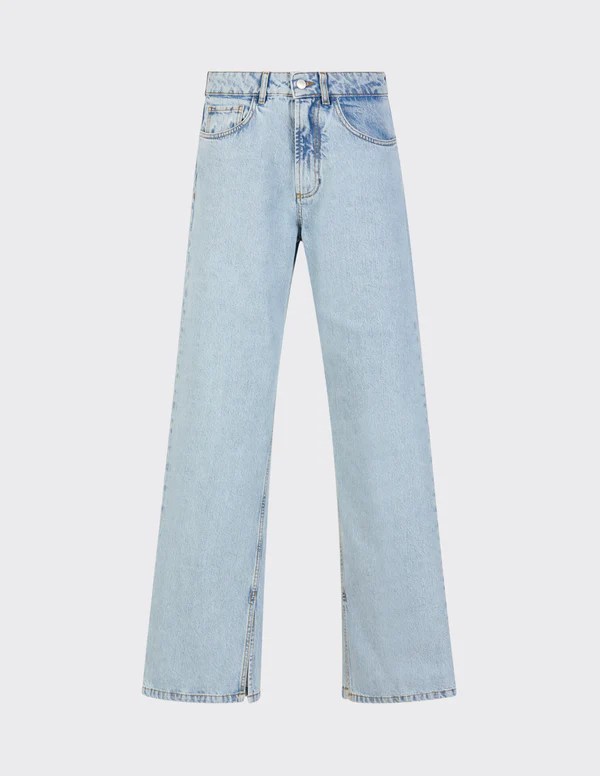
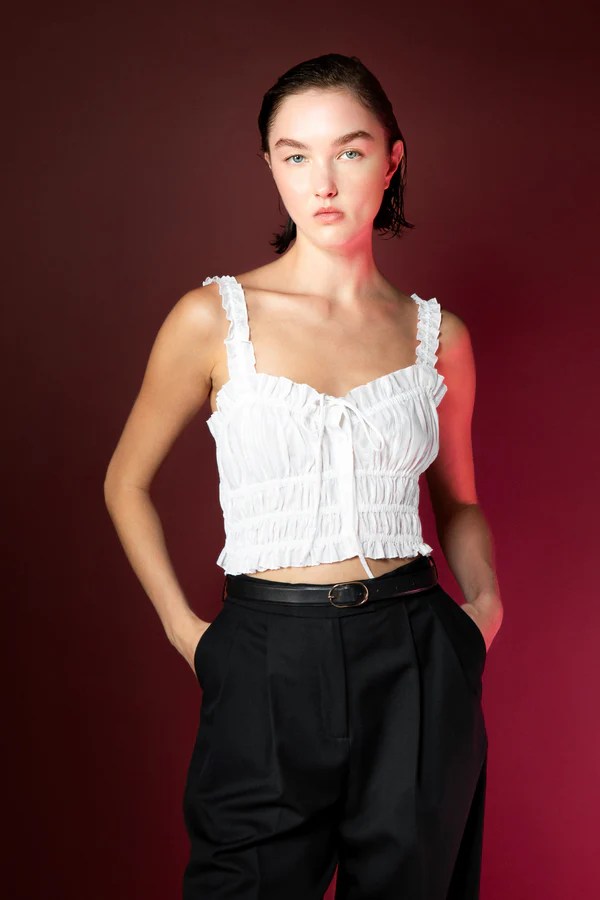
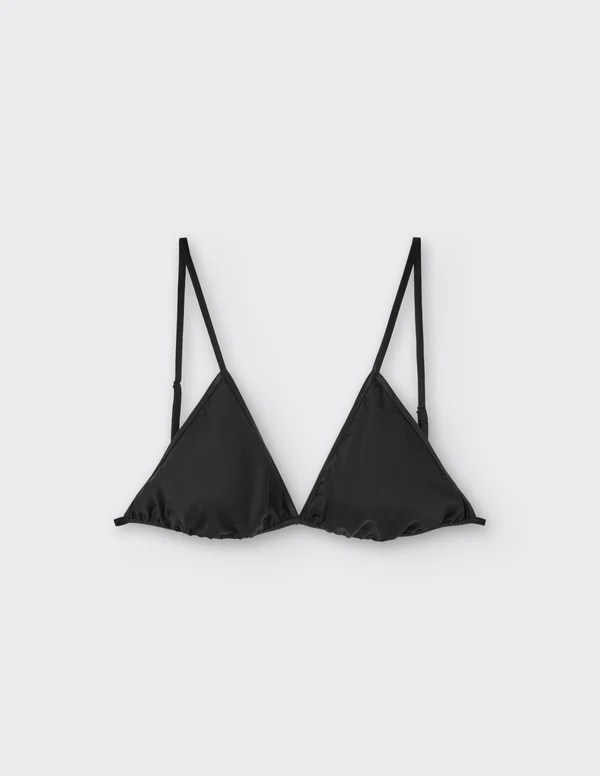
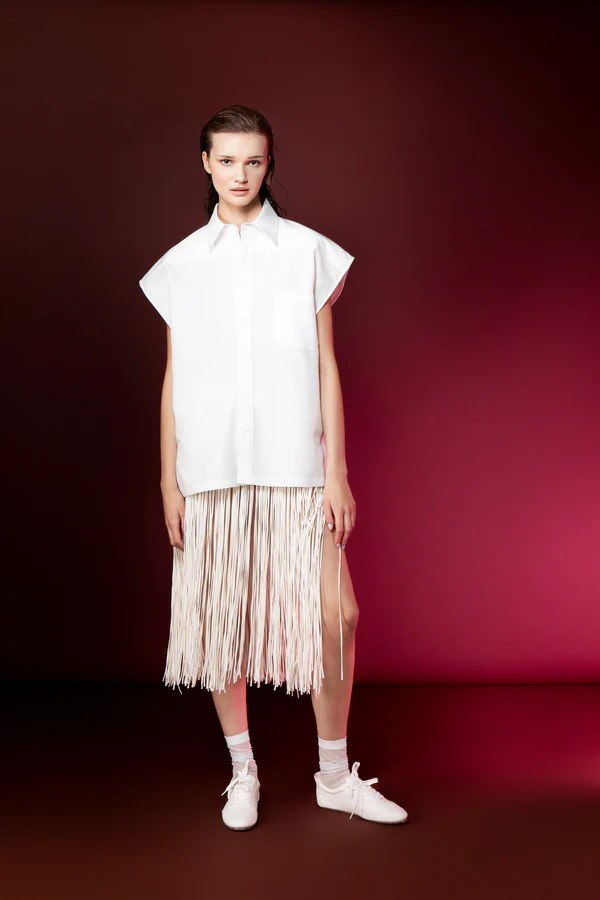
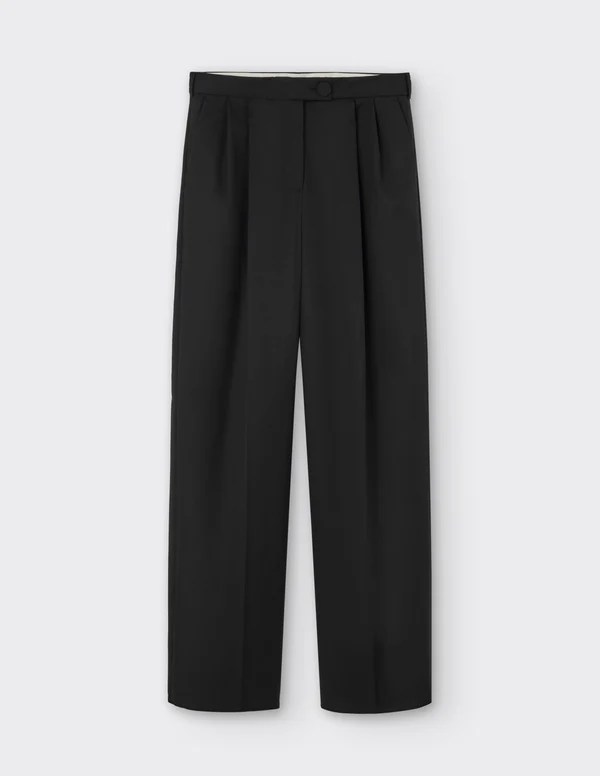
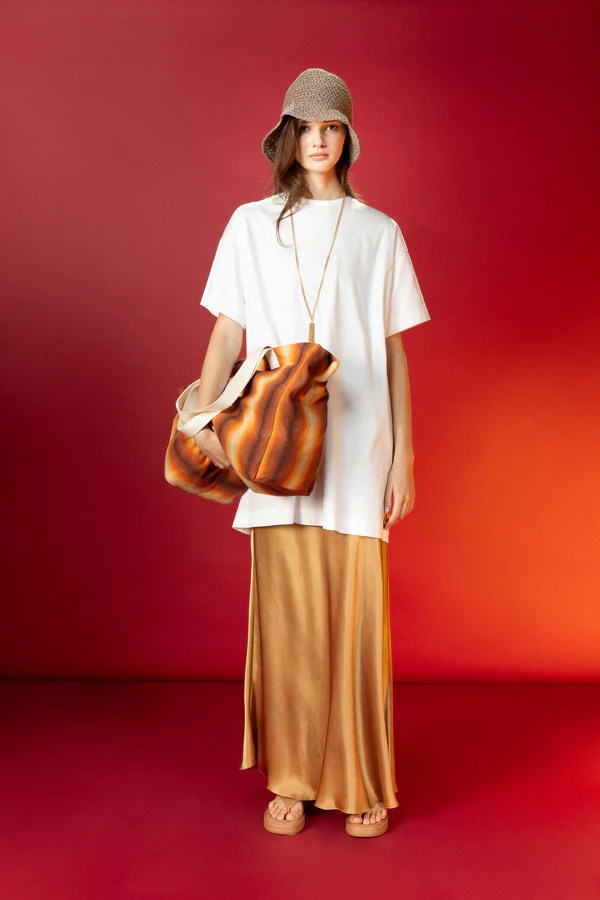
Of course, I left the store with a thousand pieces on my mind — if I could, half the shop would have come home with me. But instead, Diogo and I simply went for a drink nearby. It was also nice to get to know Miguel Bombarda better — the street where A Line is located.
Known as Porto’s Arts Quarter, the area has become one of the city’s main creative hubs over the years, filled with galleries, ateliers, independent stores, design spaces and cafés that somehow strike the perfect balance between cool and unpretentious.
Diogo tells me that one of the most special moments in the neighbourhood happens during the simultaneous gallery openings — regular events that transform the street into something close to a small urban celebration. Galleries open new exhibitions at the same time, people gather outside with drinks in hand, music spills into the street, and the shops naturally become part of the atmosphere.
“We open a few drinks, I invite friends over — it becomes almost like a party. People are here, having a drink, and they end up shopping too.”
And perhaps that is exactly what I liked most about A Line. It does not feel like just a store. There is something of a home, an atelier, a lived-in space about it. A place where clothing does not feel detached from real life — quite the opposite. Everything seems designed to accompany real people, real days and real routines, without ever losing a certain quiet elegance.
In the end, I left with that rare feeling you get when you discover a brand that is not desperately trying to be relevant. And perhaps that is precisely why it is.
Miguel Bombarda 519, Porto
Tuesday — Saturday
11AM — 7:30PM
Closed Sundays, Mondays & Holidays


Leave a Reply