The soul of Vejer de la Frontera & a boutique filled with the spirit of Andalusia.
It had been a while since I’d taken a proper holiday. That’s the thing about freelance life — we’re masters of our own time, but ultimately dependent on the timing of when the work comes in. This year, I wanted to break that cycle and properly switch off. I needed somewhere that would clear my head and soothe my soul. Somewhere peaceful.
I’ve never been a huge fan of Algarve. I recognise all its qualities, and by no means do I want to overlook everything we have right here at home. It’s simply that my family never really went to the Algarve for holidays, so I never formed that connection with it. While my friends were heading to the beaches and busier spots in the south, I grew up holidaying further north or across the border, in Spanish seaside resorts. Later came the Alentejo Coast (long before it became the new Algarve), with the inevitable campsites, rented houses and groups of young people trying to squeeze far too many people into far too few beds.
As an adult, the Algarve still never really felt like an option. I’ve never been drawn to crowded places where everyone is doing the same things, packed beaches or trendy restaurants where you pay a small fortune for elaborate dishes. In short, places where people go to see and be seen have never really been my cup of tea.
This year, when I finally decided to take a few days off in the summer (although I still much prefer travelling out of season) I found myself thinking again about the Spanish pueblos and beaches I used to visit with my parents. I then remembered something my mother had once told me: a Spanish friend had mentioned Vejer de la Frontera, a still relatively low-key pueblo, incredibly beautiful and, above all, with a life of its own beyond the beach.
And that’s how we ended up in Vejer.
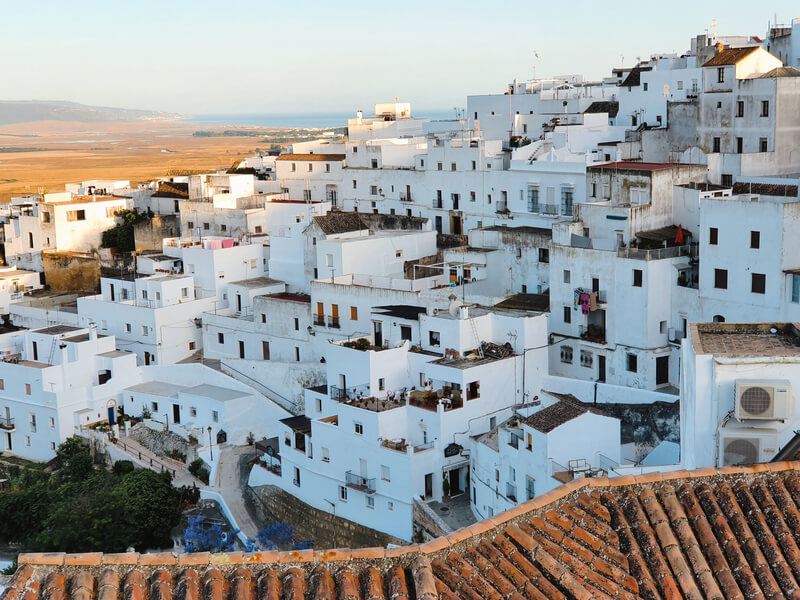
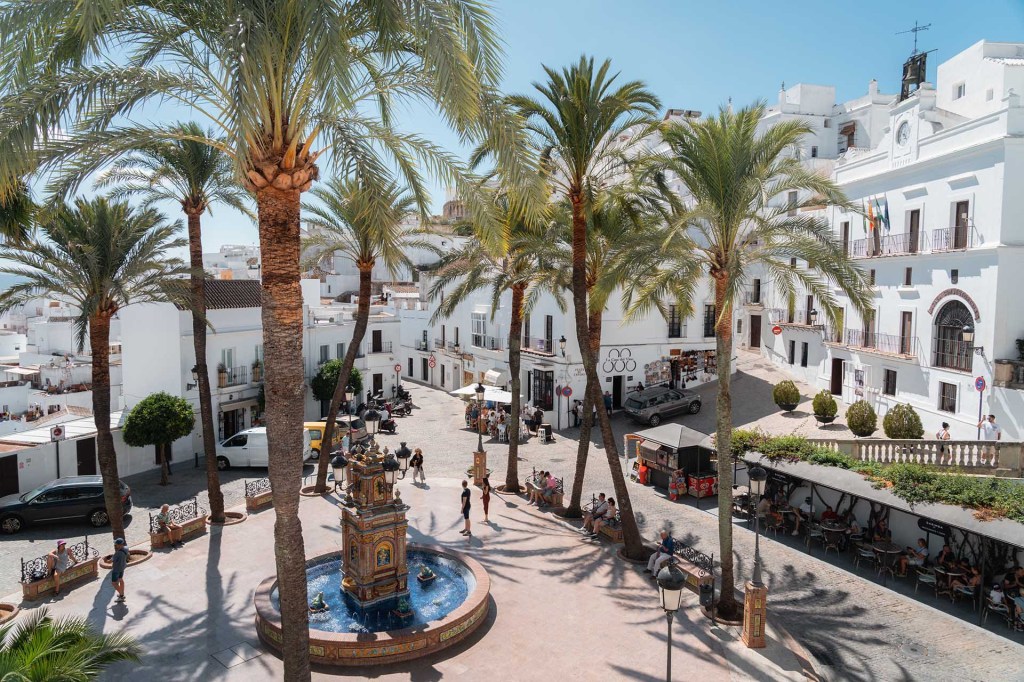
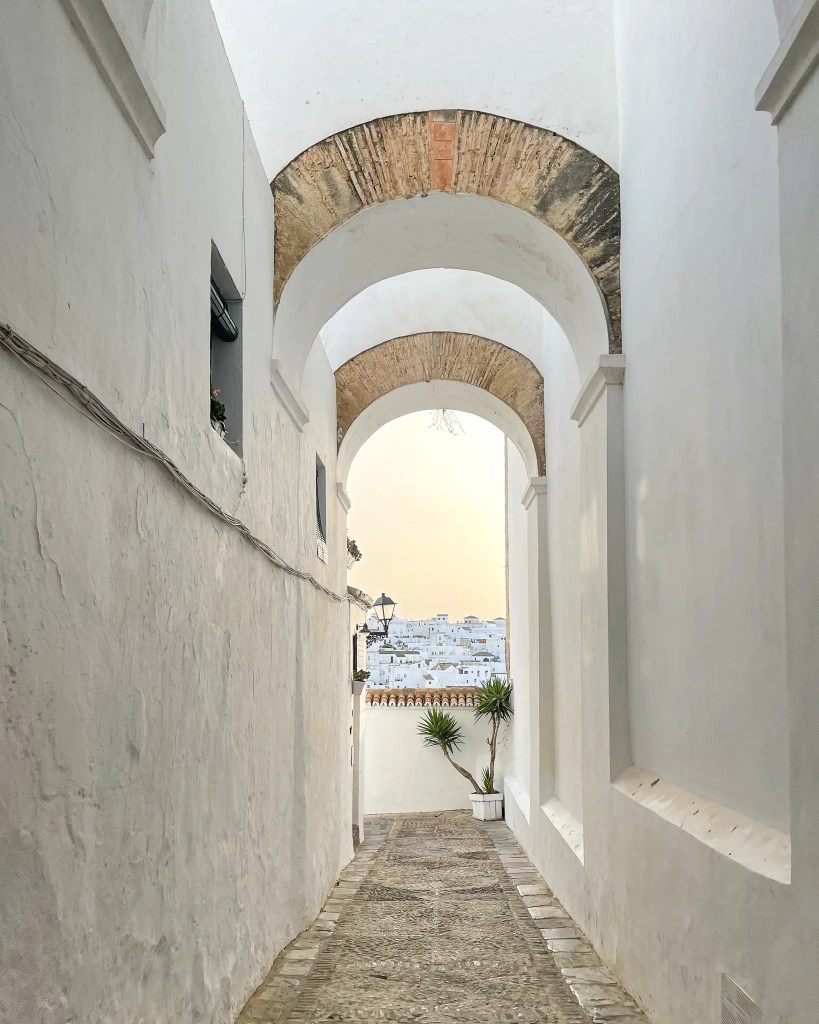
Vejer is Andalusia in its purest form. A small pueblo blanco perched on a hill in the heart of Cádiz, where narrow streets, courtyards, flamenco and whitewashed architecture create an atmosphere all of its own. It’s a place for wandering without hurry, discovering a little shop behind a blue door, hearing music drifting out from a courtyard and simply staying a while. There’s something very special about Vejer — a mix of tradition, culture and laid-back living that you can feel around every corner.
And then there’s the sea.
Just over 15 minutes away, there’s an abundance of beaches with long stretches of sand and water at the perfect temperature. The drive there is part of the experience in itself: vast meadows where retinta cattle graze, mountains, fields in different shades of beige and yellow and, depending on the time of year, the warm wind blowing in from North Africa, giving the landscape an almost otherworldly feel.
There are plenty of options. At the end of July, finding people on the beach is inevitable, but the sheer size of the stretches of sand means you never really feel hemmed in. And, with a little research, it’s still possible to find small pockets of paradise that are almost completely deserted. That was always our choice.
So our days in Vejer weren’t just about the beach. In fact, returning to the pueblo was one of the things we enjoyed most. Coming home didn’t mean the day was over; it meant another one was beginning: wandering through the narrow streets, sitting at an outdoor café, choosing a tapería or a small restaurant and, of course, finding out where there would be flamenco that evening.
In the video, a little glimpse of a flamenco performance at Peña Cultural Flamenca — and, by pure coincidence, just a couple of doors down from us, on the very same street.
Staying in Vejer’s historic centre makes all the difference. When we started looking for somewhere to stay, we didn’t simply want a beautiful place to sleep. We wanted to be in Vejer — to step outside the door and immediately find ourselves among its narrow streets, close to the restaurants, independent shops, flamenco and all the life that makes the pueblo so much more than somewhere to spend the night.
That’s how we came across Hospedería Manzanilla.
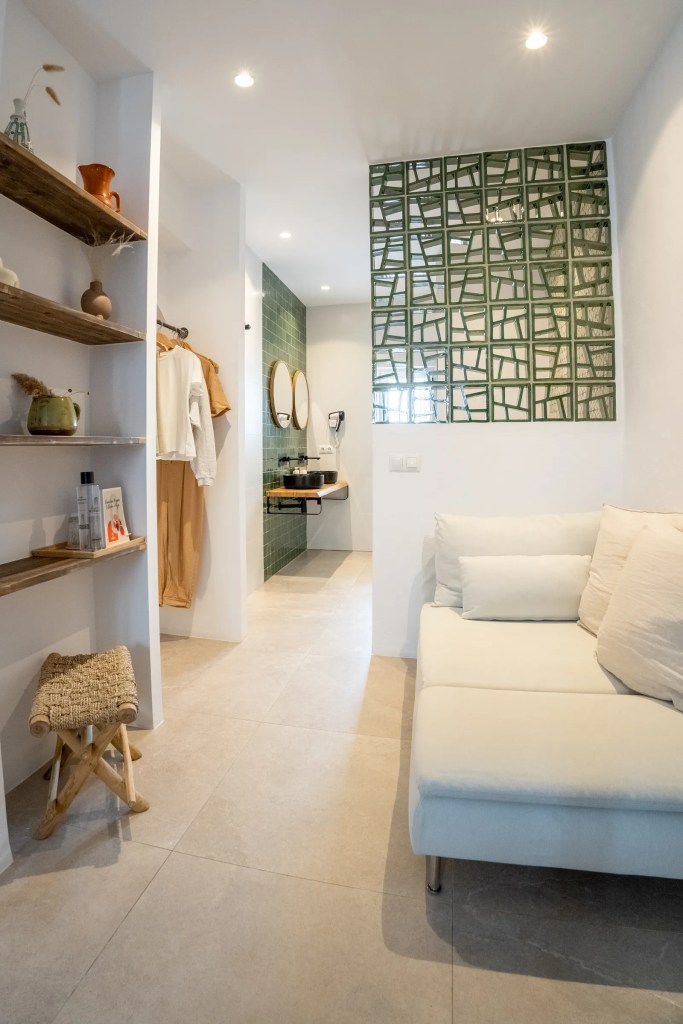
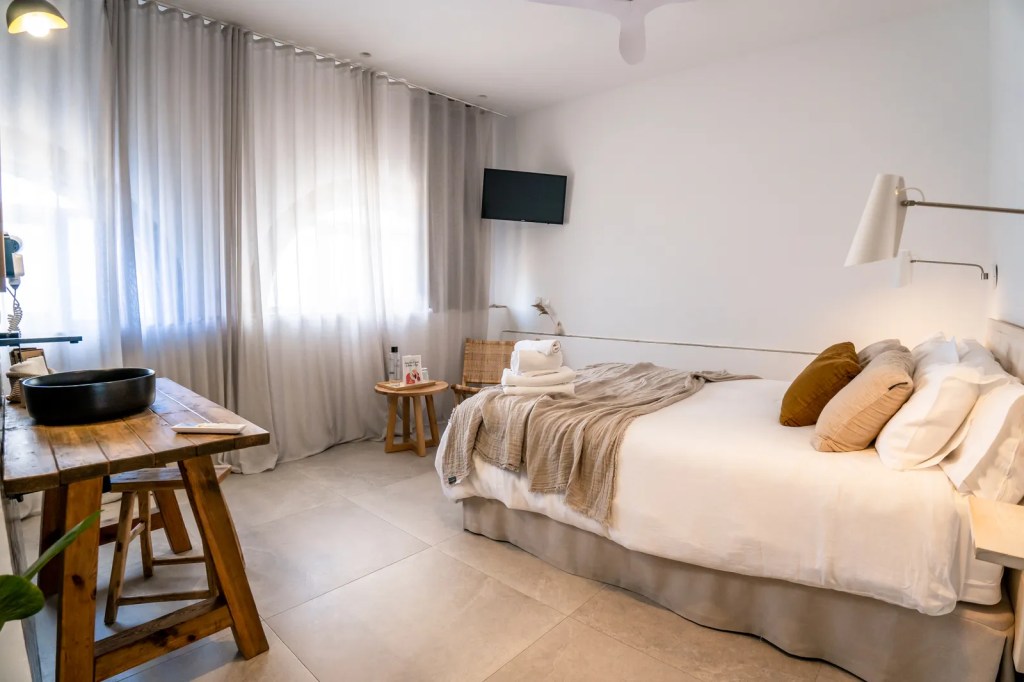
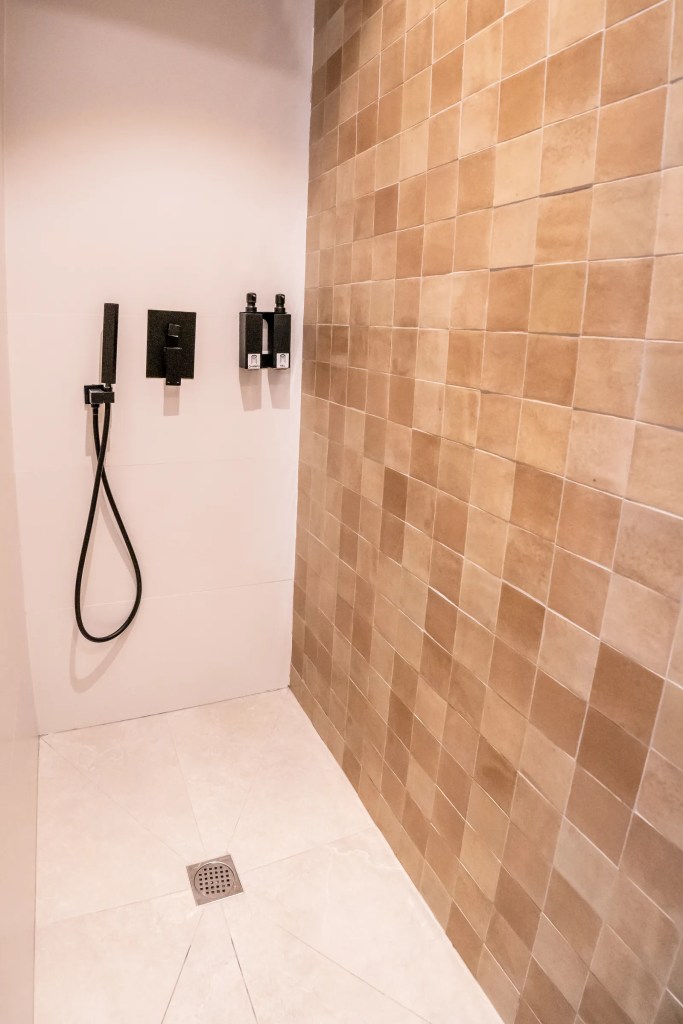
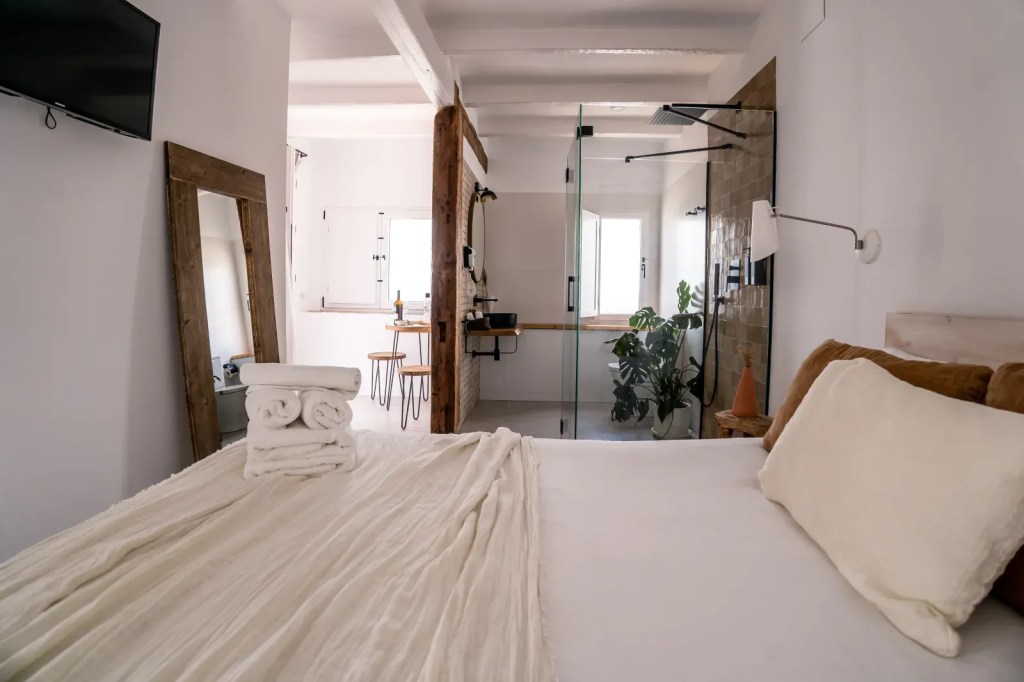
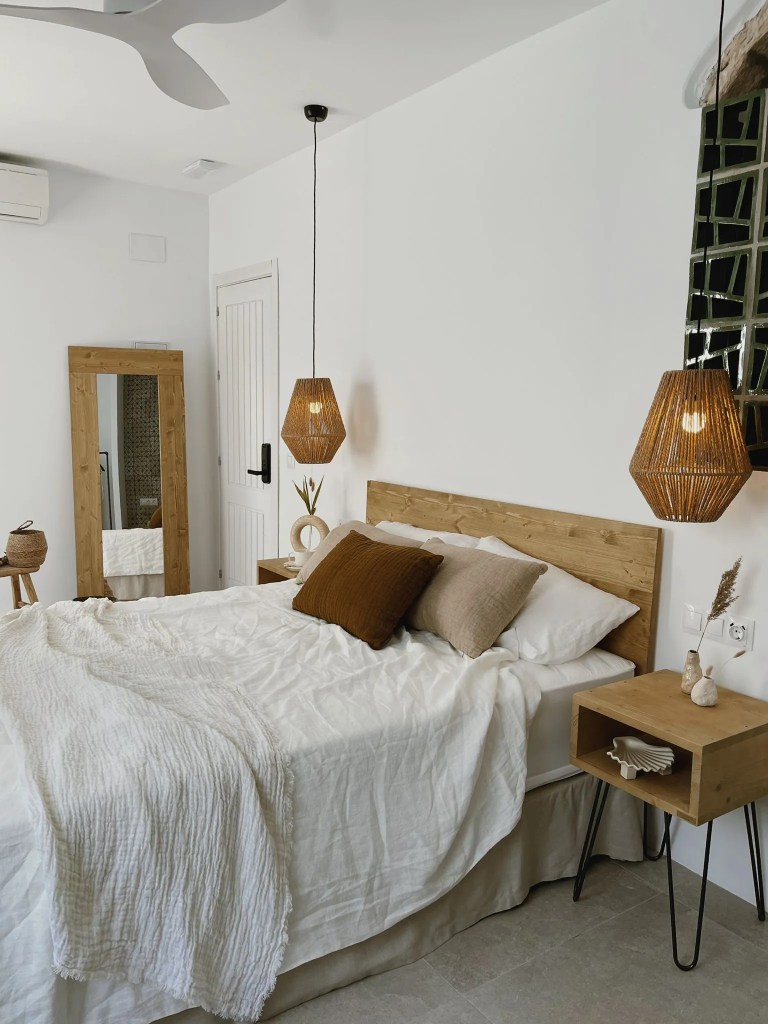
A small boutique tucked away on one of the typical narrow streets of the historic centre, in a quiet spot but just minutes from everything. The building, the seven rooms and the way the space had been conceived made me stop and take notice. It wasn’t just another beautiful hotel. There was a very clear intention to bring Vejer indoors.
The story behind the project
Hospedería Manzanilla was created in 2021 by Ana María Marín, Joaquín Alfaro and Mario Ojeda, three partners with backgrounds in hospitality, technology and tourism management, who were already working together on other projects in Vejer. The idea was simple: to create a place where rest could become part of the same experience of discovering the food and culture that the group had been building in the tow
The name, Manzanilla, is no coincidence either. It is a wine deeply rooted in Andalusian culture, and that connection with the region’s winemaking heritage runs throughout the project. The seven rooms are named Solera, Criadera, Levante, Poniente, Bienteveo, Salina and Asoleo — words that evoke wine, the winds, the salt flats and the landscape of Cádiz.
The interiors, designed by the Hannun studio, follow the same philosophy. Reclaimed wood, local materials, natural textiles, artisan-inspired furniture and a palette that echoes the Andalusian landscape. That kind of simplicity that made us feel at home.
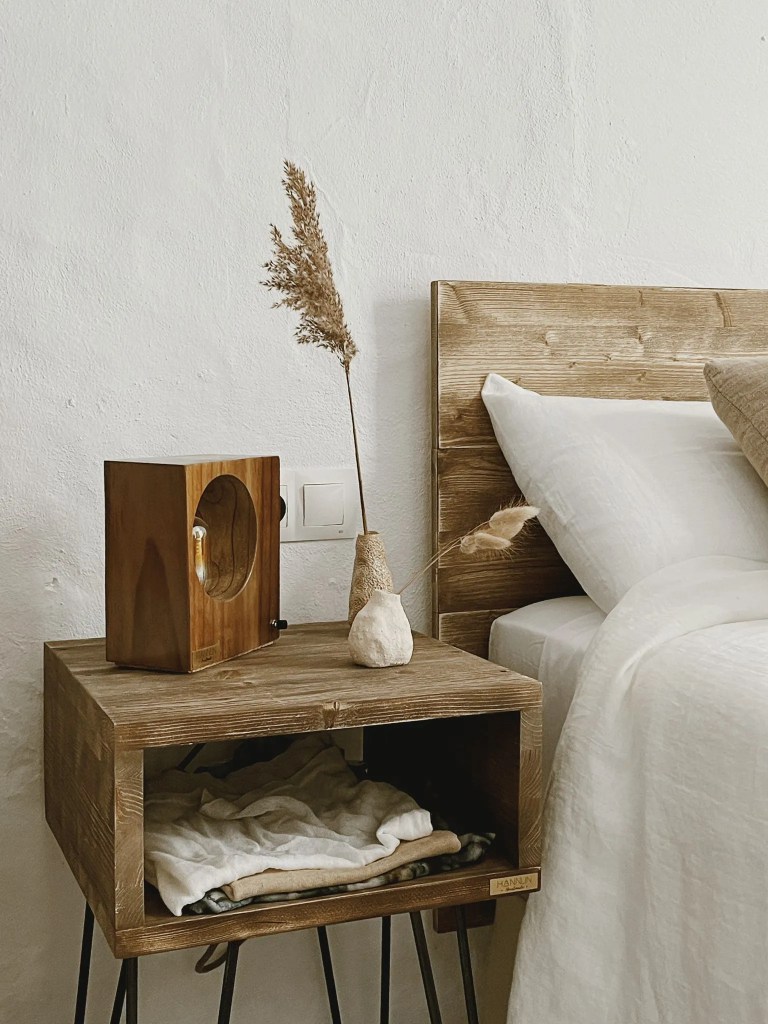
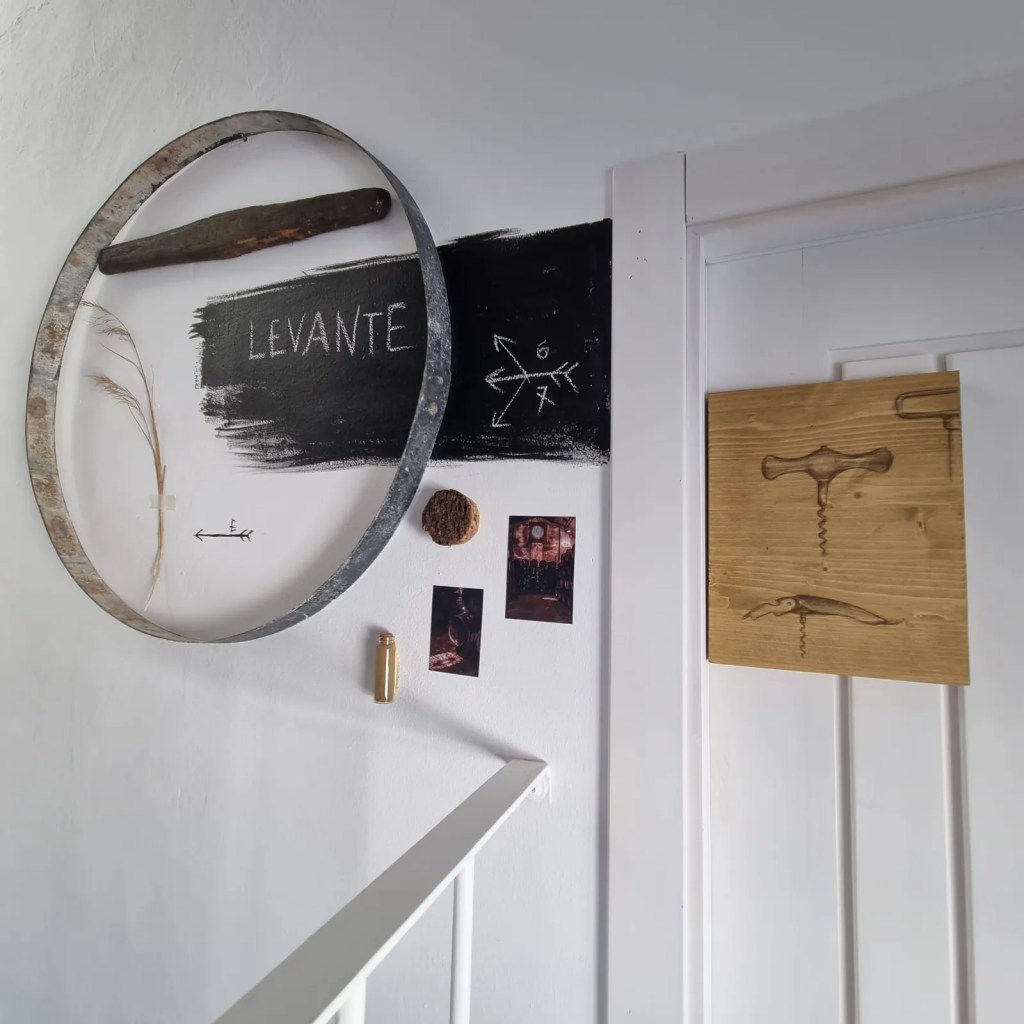
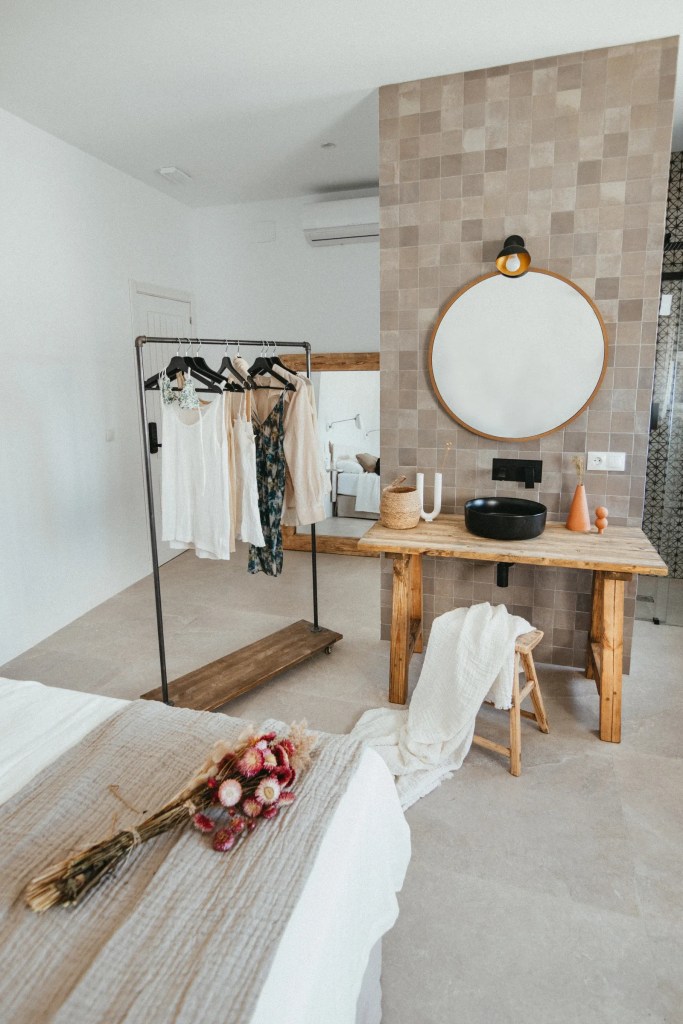
I’m writing this exactly one month after the end of our holiday in Vejer. It somehow feels like a lifetime ago, and what I’m left with is a kind of nostalgia. Not the melancholy, wistful sort, but a light and happy feeling — the feeling of having chosen a place that gave us a true sense of being on holiday.
Rested, happy, and with absolutely no sense that anything was missing.
Hospedería Manzanilla
Calle Rosario 25
11150 Vejer de la Frontera, Cádiz, Spain
Note: The cover image and Portuguese–English translations are created using AI.
Disclosure: This was not a sponsored stay. All opinions are entirely my own.


Leave a Reply